MAXUS EV80
Review
The MAXUS EV80 offers zero emissions and a one-tonne payload at a reasonable cost
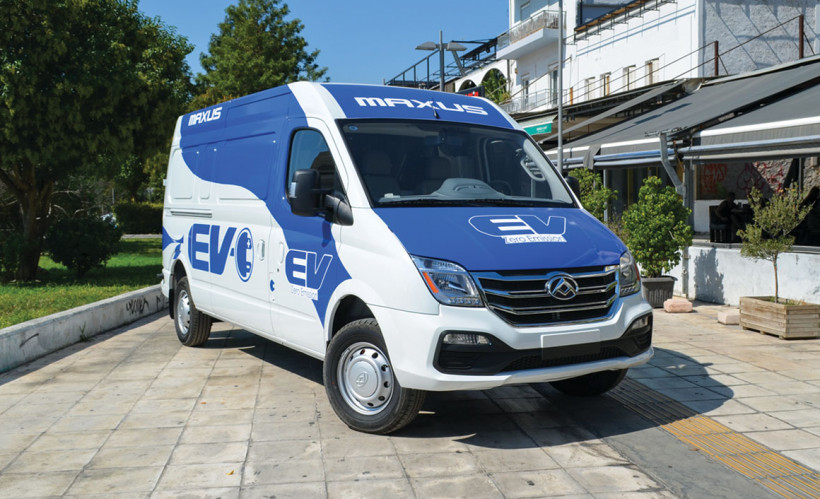
If you need a large electric van sooner rather than later, then the MAXUS EV80 is one choice for sale in the UK today. It's on the market at the same time as the Renault Master Z.E., but both are available ahead of similar models such as the VW e-Crafter and Mercedes eSprinter, which are a little while away. The price is higher than electric vans such as the Renault Kangoo Z.E. and Nissan e-NV200, but these are two classes smaller and can't match the EV80 for cargo volume or payload weight. As already mentioned, the only other off-the-shelf large electric van currently for sale is the Renault Master Z.E, but this costs even more than the EV80. In addition, its battery range isn't quite as long as the EV80's, and it's only available as a panel van - LDV offers van, chassis cab, luton and even minibus versions of the EV80.
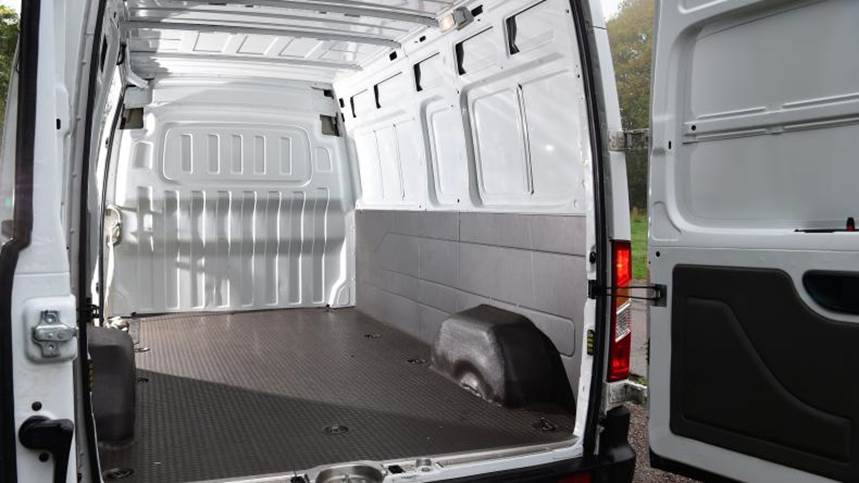
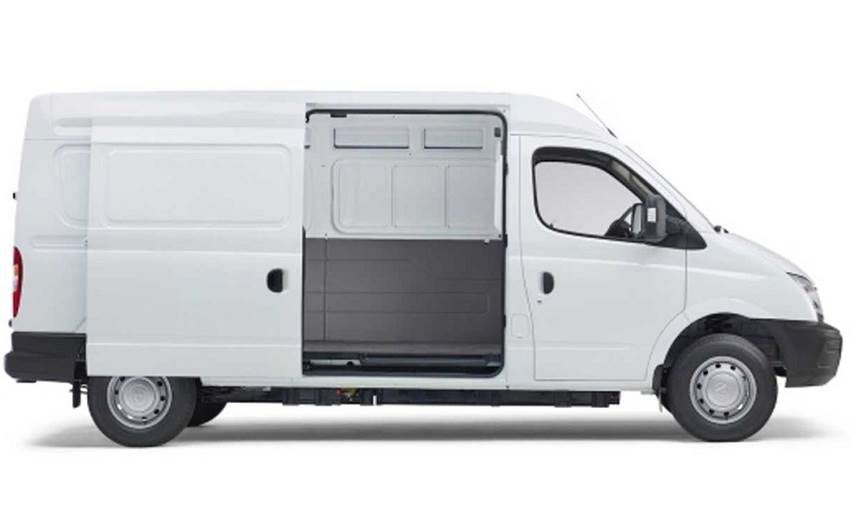
There's no loss of cargo volume compared to the diesel-engined V80 variant, as the battery is placed under the load area. Buyers of the panel-van version can choose from mid- and high-roof layouts, for cargo volumes and payloads of 10.4 cubic metres/950kg and 11.6 cubic metres/910kg respectively. There are multiple lashing eyes in the floor, the rear doors open out to 270 degrees and there's a single nearside sliding door too. The motor makes 123bhp and the lithium-ion battery pack has a capacity of 56kWh. Claimed driving range is 119 miles, but a full payload and colder temperatures can eat into that figure significantly. With sprightly acceleration from rest to about 40mph and no gears to worry about, the EV80 copes well with congested city and suburban routes, but is less at home on the motorway, as top speed is restricted to just 62mph. Road noise is significant at this speed and it also cuts the battery range dramatically.
It takes a few seconds to spring into life when you hit the start button, with a green 'ready' icon on the dashboard letting you know when the electric motor is good to go. The electronic parking brake (in place of the manual brake in the diesel van) is a useful addition; it engages and disengages automatically when you put the van in 'park', which is a boon for delivery drivers on multi-drop, stop-start routes. There isn't a huge degree of energy recovery available due to the van's weight, but on the plus side neither the heating or air-conditioning appears to have a negative effect on the available range. Ride quality is on the firm side, but not far off what you'll experience in rivals.
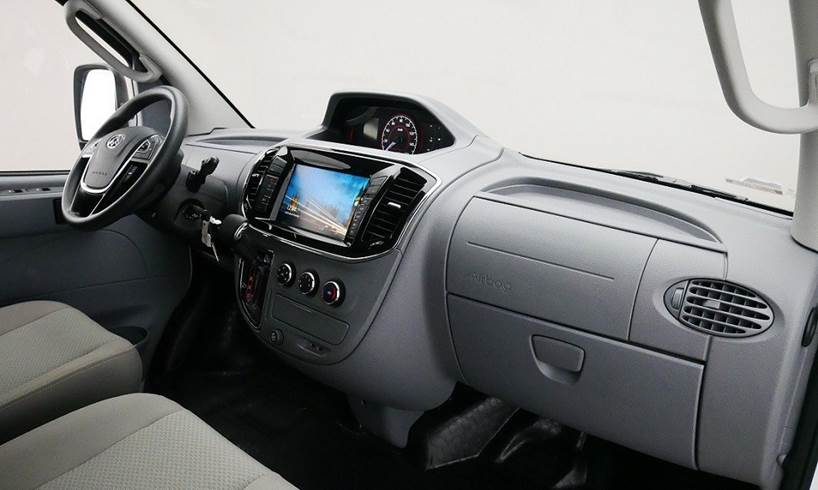
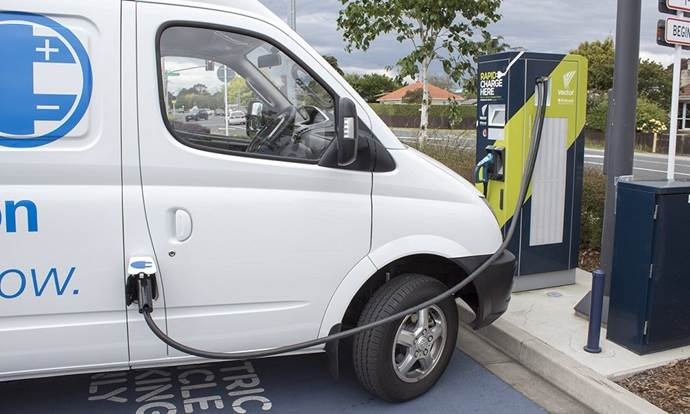
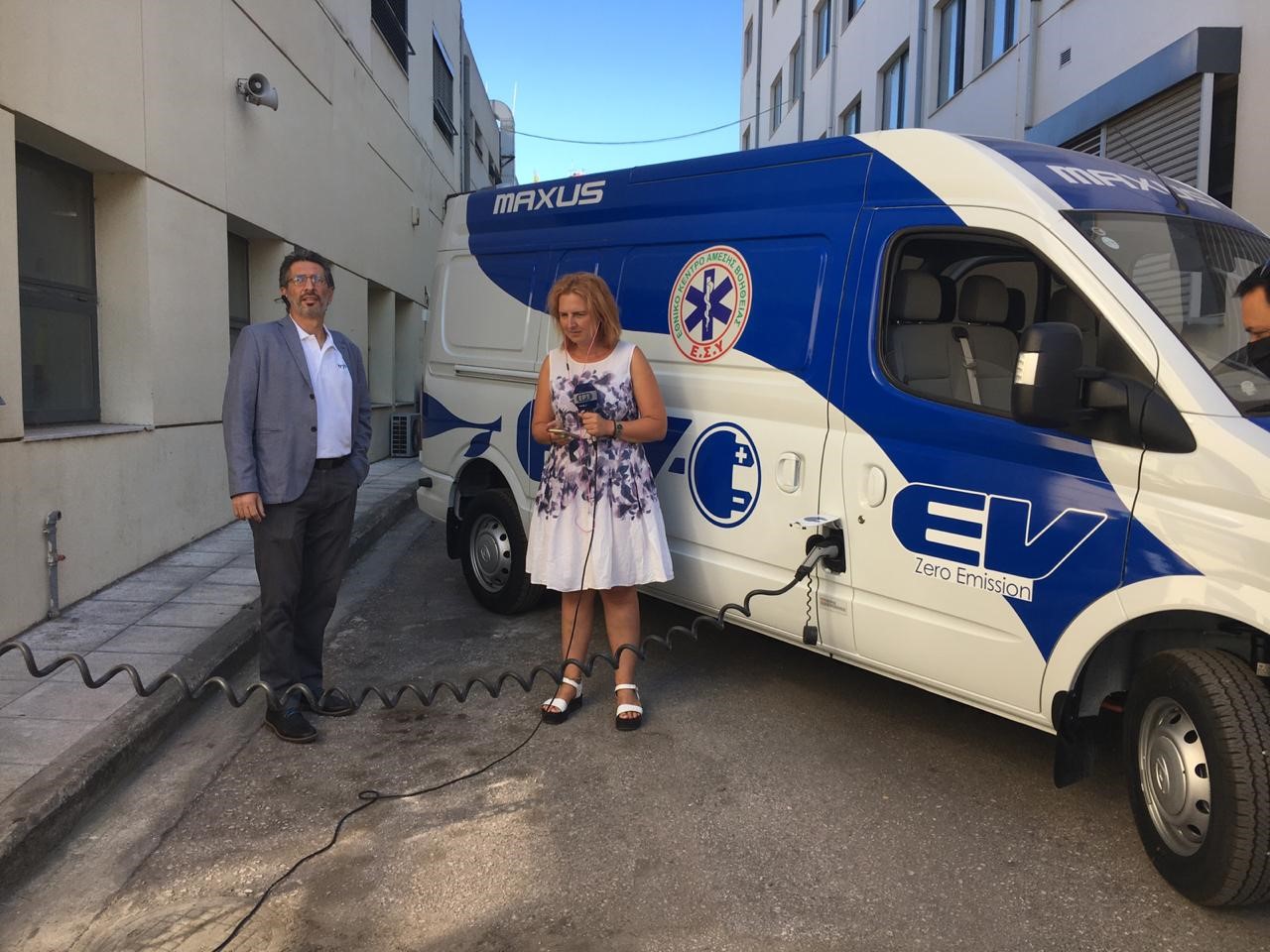
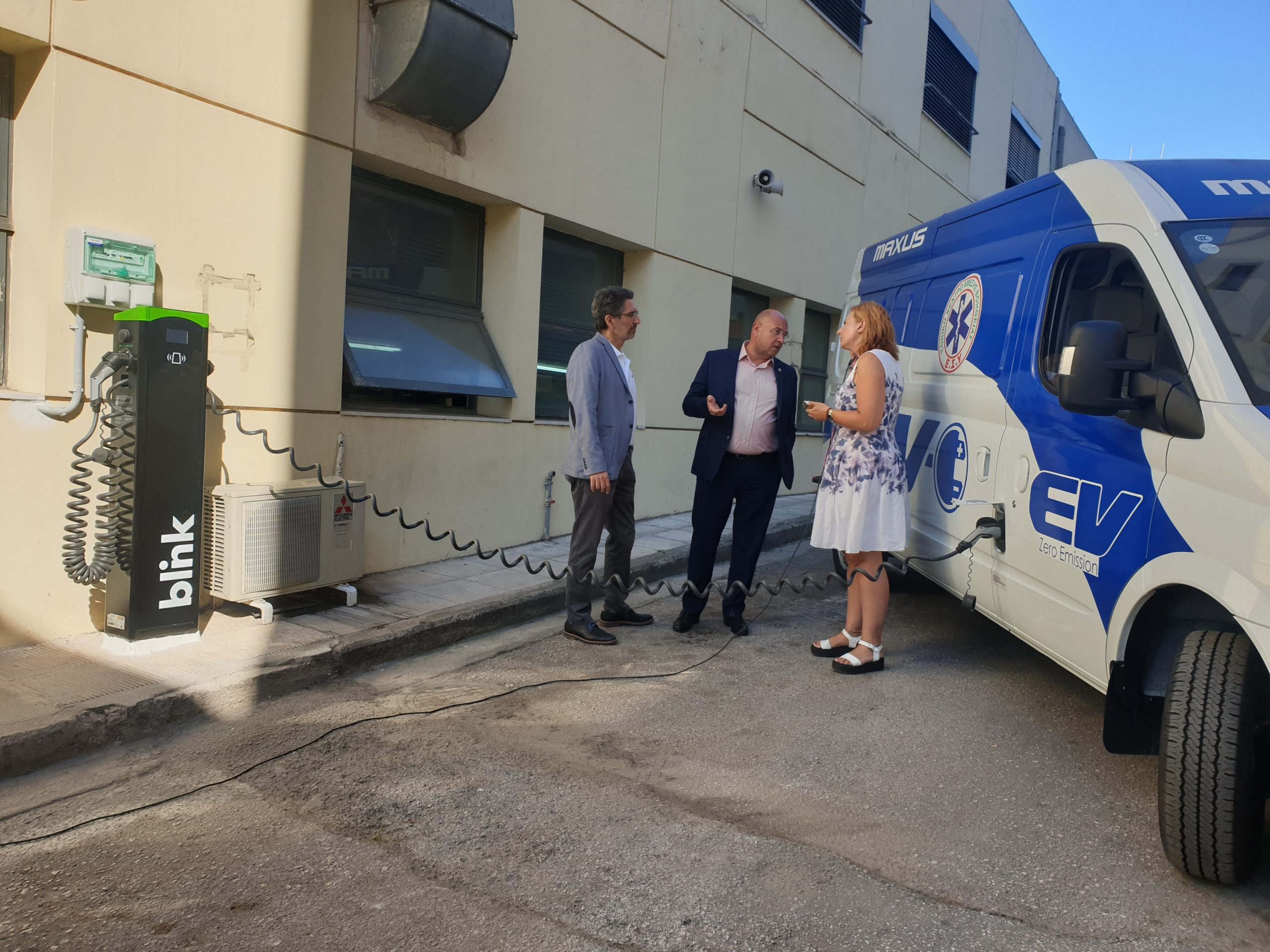
A CCS socket takes care of charging; it's located on the driver's side, where the fuel filler would be in the diesel van. Maximum charging speed is 30kW, which should give you a full top-up in about 90 minutes, while seven hours is sufficient to replenish from a 7kW wallbox. An eight-bar gauge on the dashboard tells you how much energy is remaining as you drive around, but it's much less sophisticated than the multifaceted energy-usage displays found in many electric cars. MAXUS EV80 comes with a 10-inch touchscreen infotainment system, which incorporates Apple CarPlay smartphone integration. This makes the rest of the readouts – including the dated-looking centrally mounted dials – easier to forgive. The cabin is also spacious, with plenty of room for three and good visibility out of the windows and in the wide-angle mirrors. Parking sensors are standard and a reversing camera can be added as an option.
Overall, despite its shortcomings, the MAXUS EV80 does a good job of fulfilling the urban, zero-emissions delivery-van brief, for less money than other competitors on the market right now.
Gallery