Ford Puma
Review
It’s been a long time coming, the electric Ford Puma. We’ve known about it for years, and have been waiting for this extravagant new electric take on the Puma which is – let’s not downplay the importance, here – one of the best-selling cars ever. This is a really critical car for Ford.
Styling and dimensions
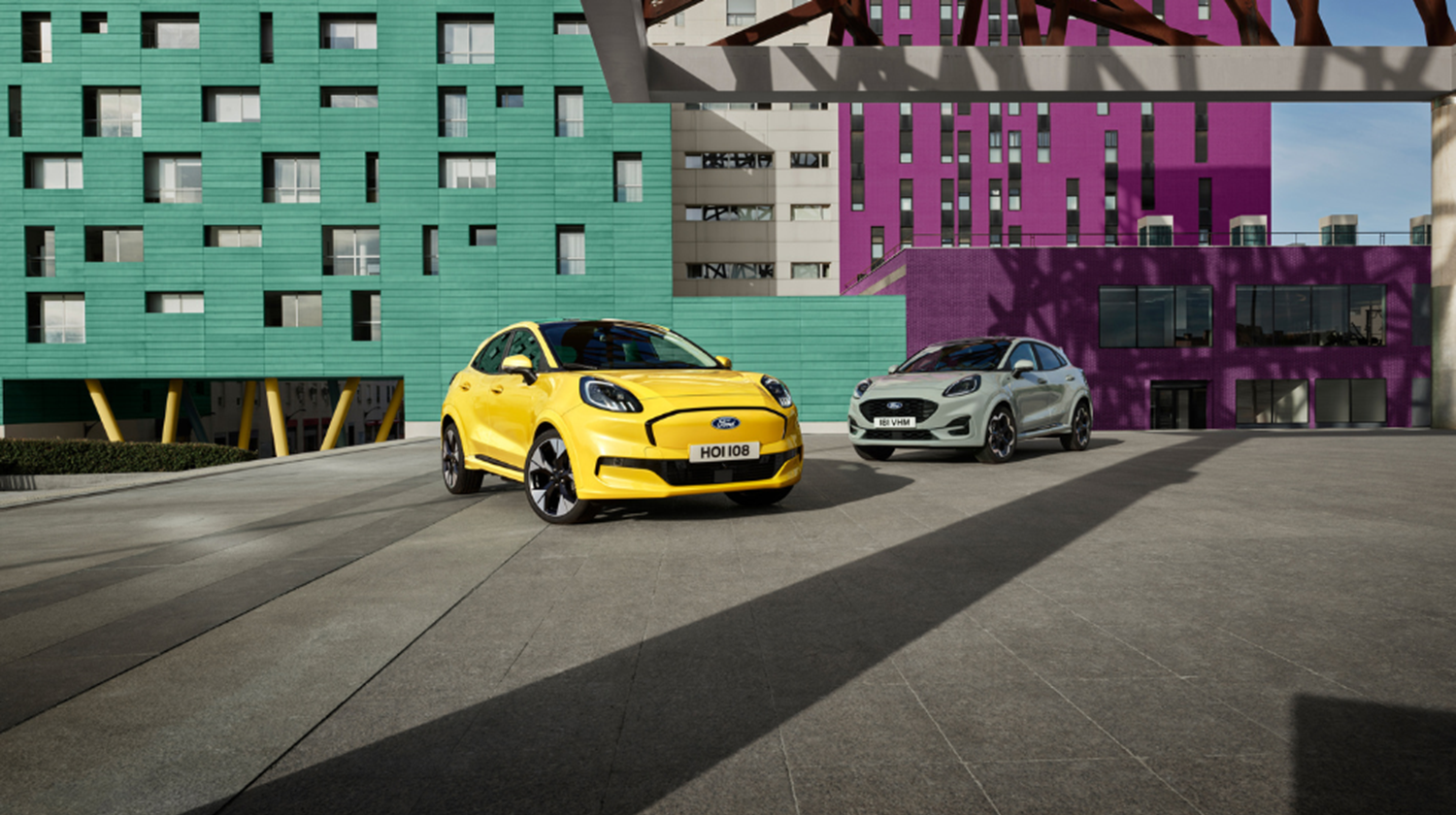
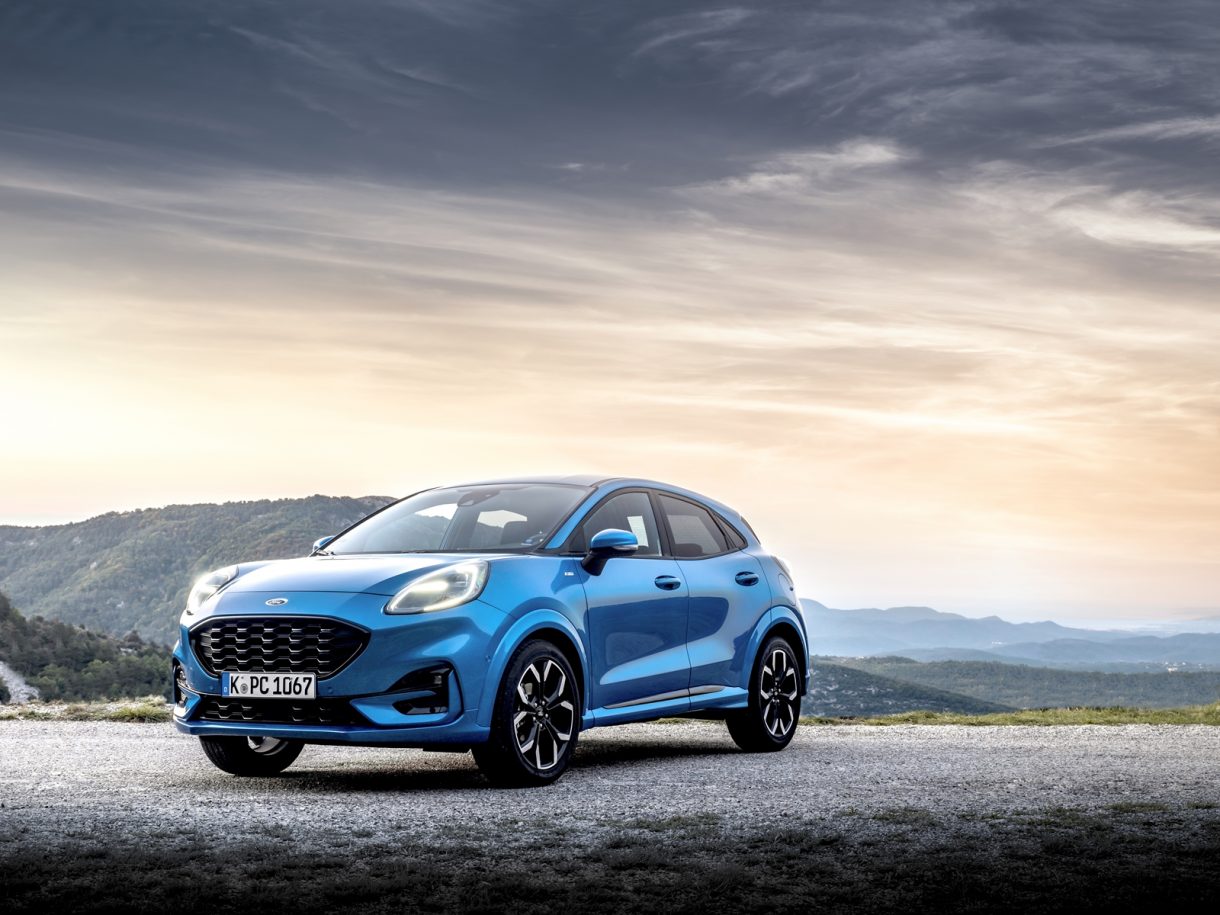
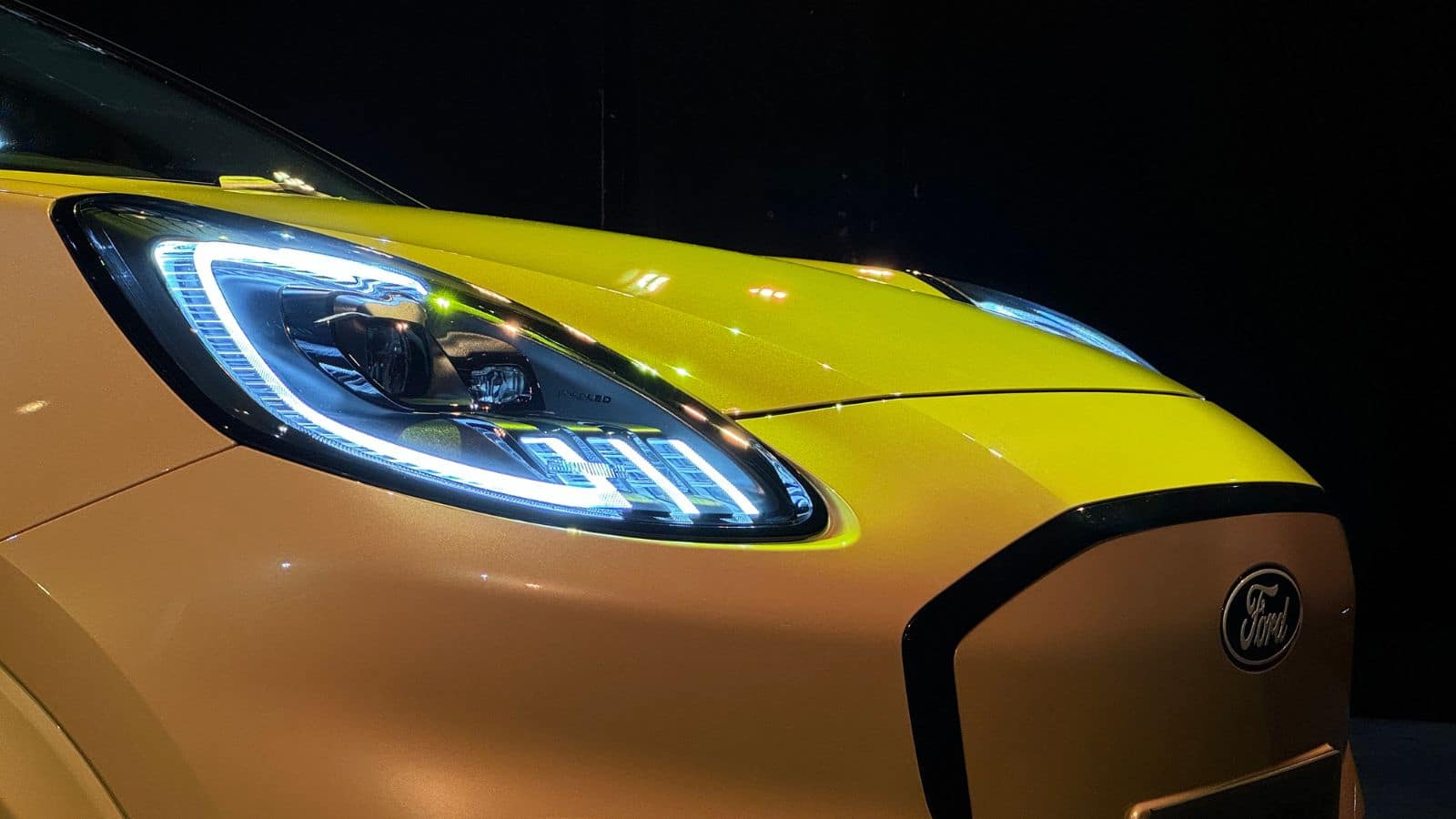
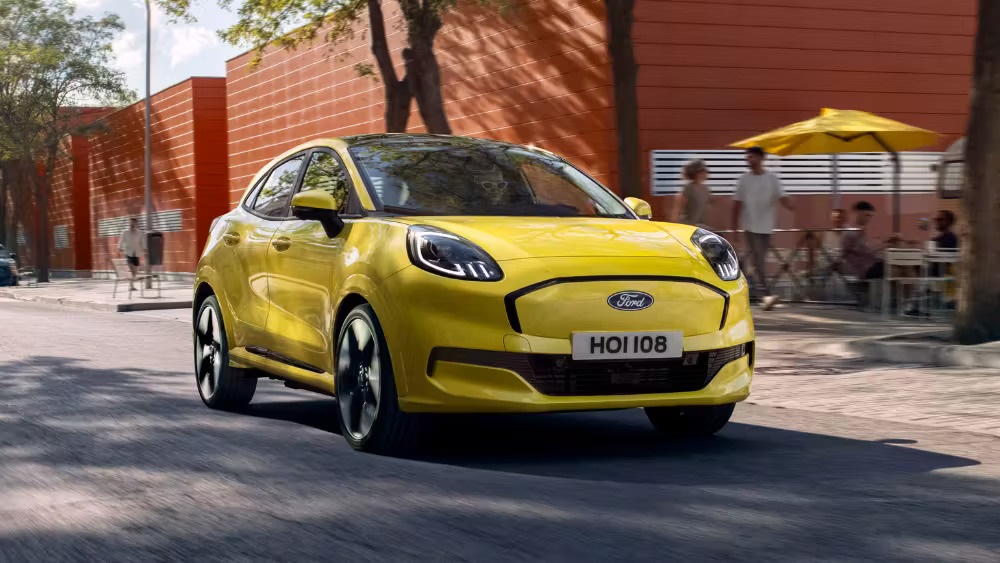
So, I guess on the one hand it’s great that this looks just like the Puma that we know and love. Don’t fix it if it ain’t broken, and all that. But on the other hand, it’s disappointing that it’s taken so flipping long to get us an electric Puma that looks, well just like the Puma but with this flush grille-less fascia. What’s taken so long, Ford? ‘Cause it’s not the design! The Ford Puma is 4.2-metres long, 1.9-metres wide (with the mirrors) and is 1.55m tall, which means that it splits the difference between smaller cars like the Citroen e-C3 and family cars like the Citroen e-C4. Obviously, it’s technically a small SUV as it’s got that swoopy, chunky SUV-ish styling, although it feels more hatchback-like when you sit in it.
Interior
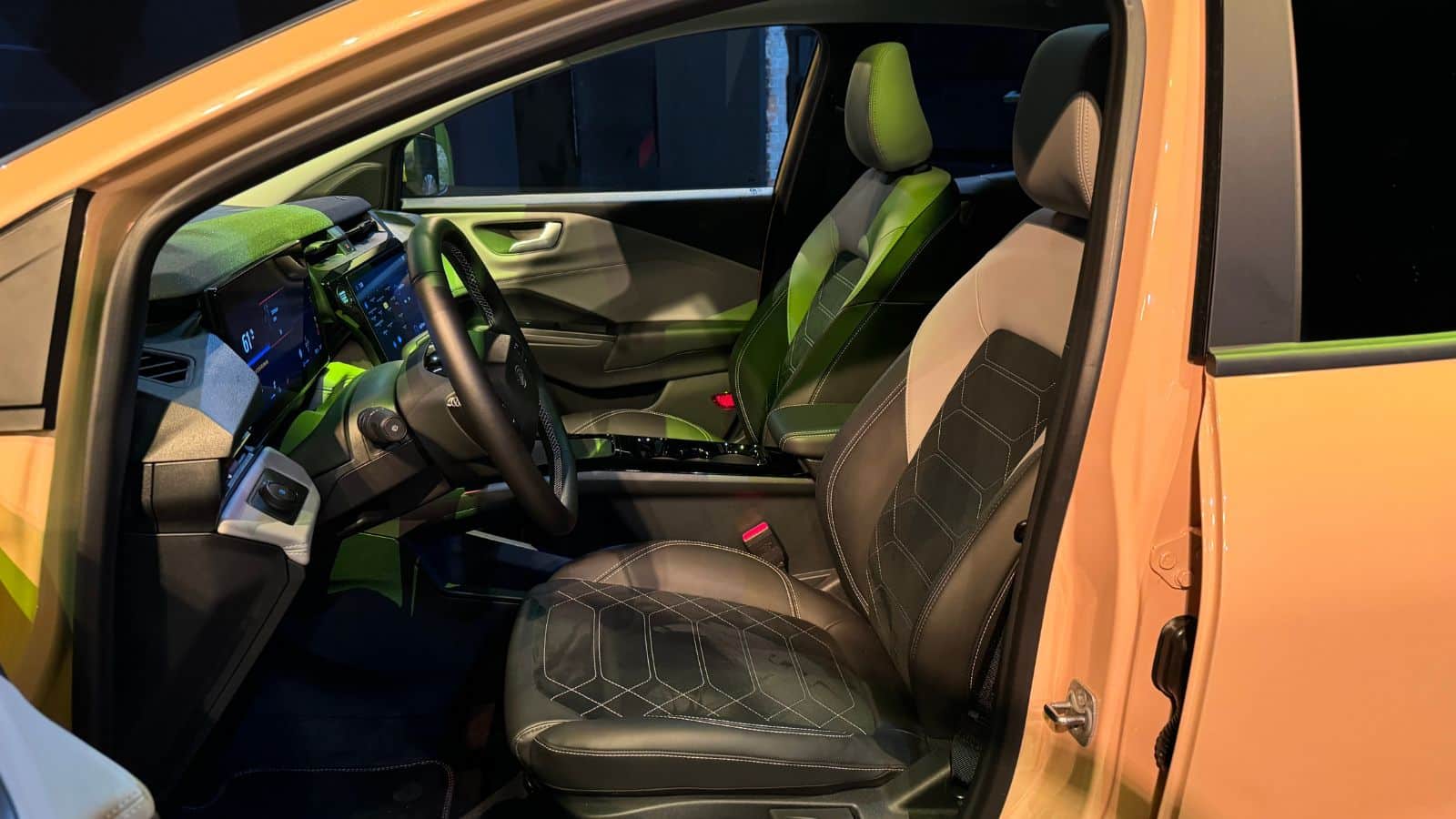
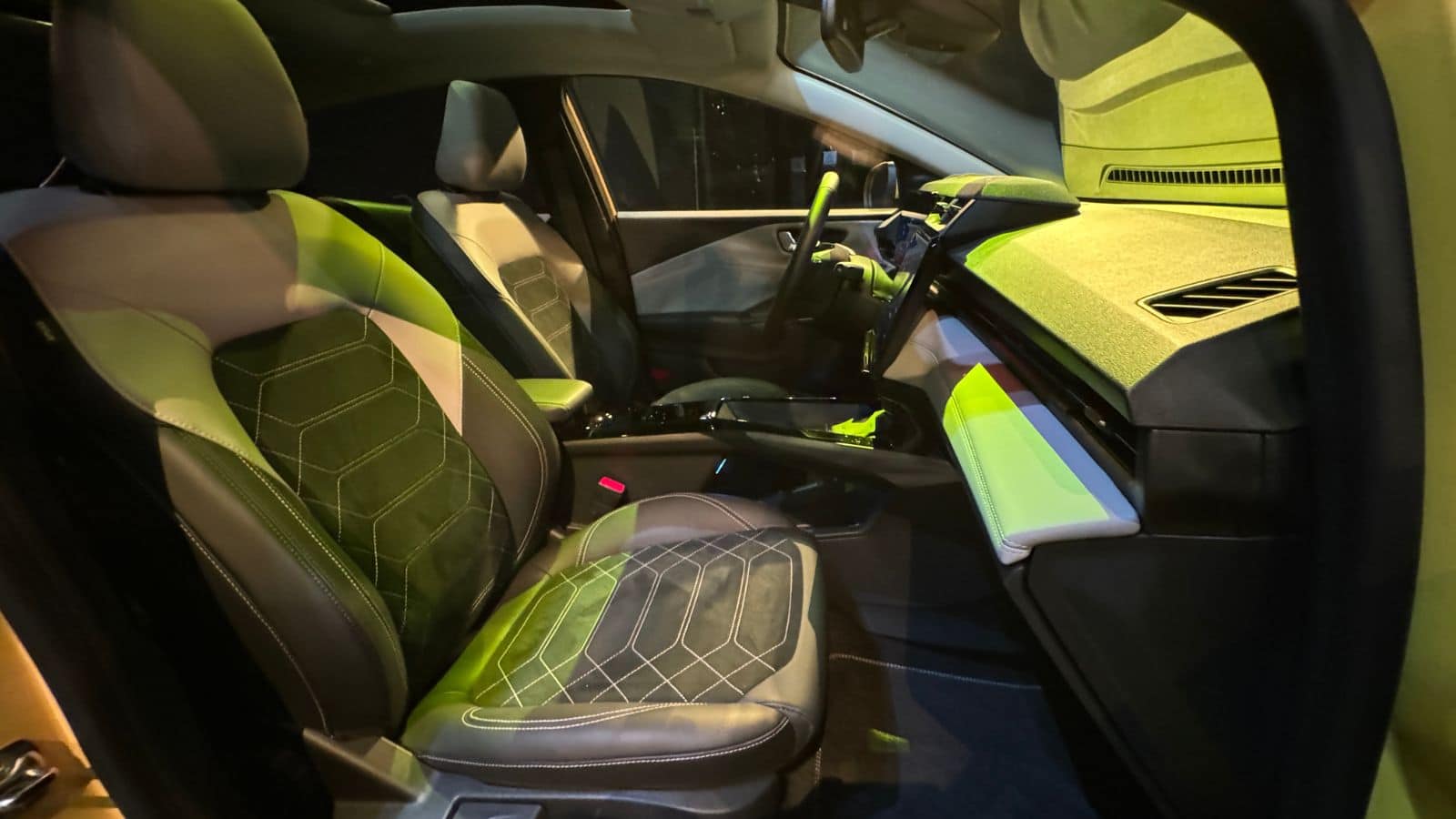
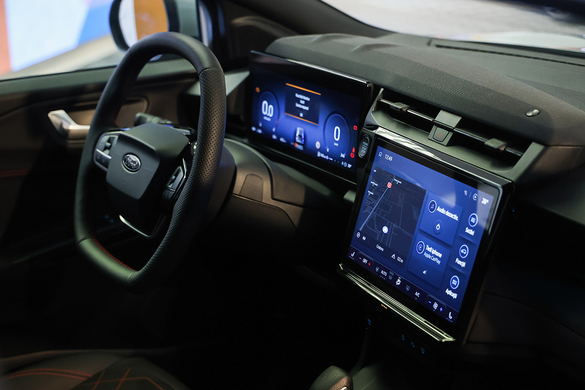
Well, no surprises that it’s, er, very much like a Ford Puma in the Gen-E. That means decent space for a couple of average-sized adults or bulky car seats. Up front the Gen-E does get some changes. A new two-tone interior adds bit more interest, not to mention the nice digital display behind the wheel which looks very similar to the one in the Explorer – and I actually like that, as it’s very simple and you can just have it showing your speed rather than a million different things.
The driving position is good, and if you go for the posh Ford Puma Gen-E Premium, and you even get a Bang and Olufsen sound system. Fancy! The new 12.3-inch touchscreen and SYNC-4 software is one of the big upgrades, and includes wireless Apple CarPlay and Android Auto. There’s even Amazon Alexa voice control and over-the-air software updates. We didn’t have loads of time, but it certainly seems to respond quickly and is reasonably straightforward use, although the nav graphics do look a bit old-school next to the fancy OLED systems that we’re seeing from Mini and a few other brands.
Boot space
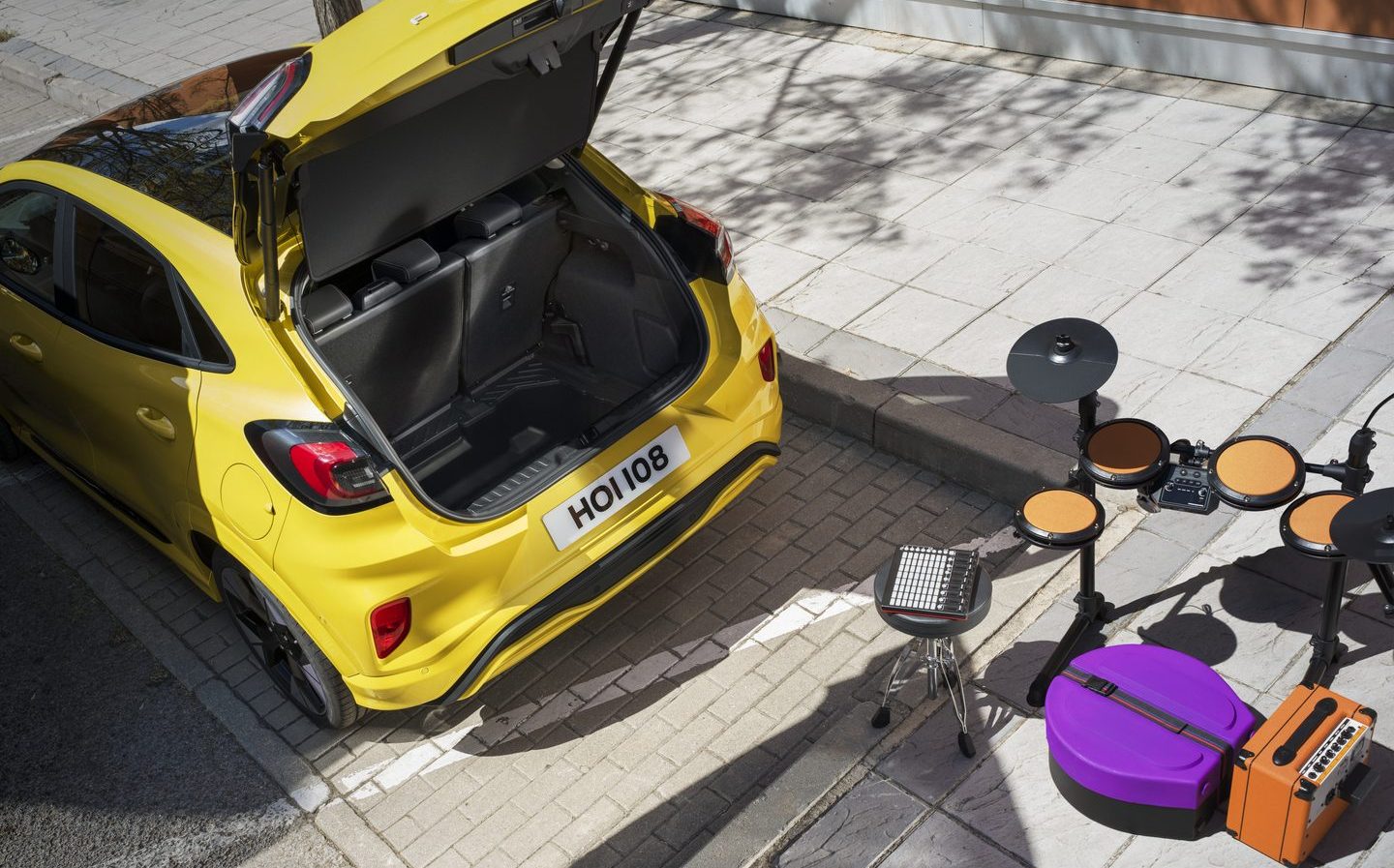
Boot space is one of the Puma’s party tricks. It’s huge! Don’t forget that the Puma is smaller than the VW ID.3, which gets a 385-litre boot, yet the Ford has a whopping 523 litres! BUT there is a caveat here, as 145 of those litres are in what Ford calls the ‘Gigabox’, and what the rest of us call ‘underfloor space’. Even so, well done, Ford - that really is a useful boot and easily one of the biggest of its direct rivals. It's worth noting that the Ford Puma Gen-E can tow up to 750kg, and can obviously be configured with a factory-fit tow bar, which is very useful for rear-mounted bike carriers as well as for towing a light trailer.
Battery, charging and efficiency
Underneath this new Puma Gen-E is a 43kWh lithium-ion battery that’s good for an official range of up to 376 kms. That suggests great efficiency for the Puma. For some context, the Puma’s direct rival – the Jeep Avenger – manages a 400 km range from a substantially bigger 51kWh battery. You also get 100kW DC rapid charging, so the Puma can manage a 10-80% top-up in under 25 minutes, which is on a par with other compact electric SUVs that are a similar size to the 4.2-metre long Puma.
Verdict
D’you know what, I think the Puma Gen-E is just what Ford needs – a sensible, versatile, efficient small electric car that people feel familiar with. It's not groundbreaking, but I reckon it’ll do really well with its good finance deals right, despite the loads of competition from other interesting small SUVs
Gallery