Power (PS)
136

Peugeot e-208
Review
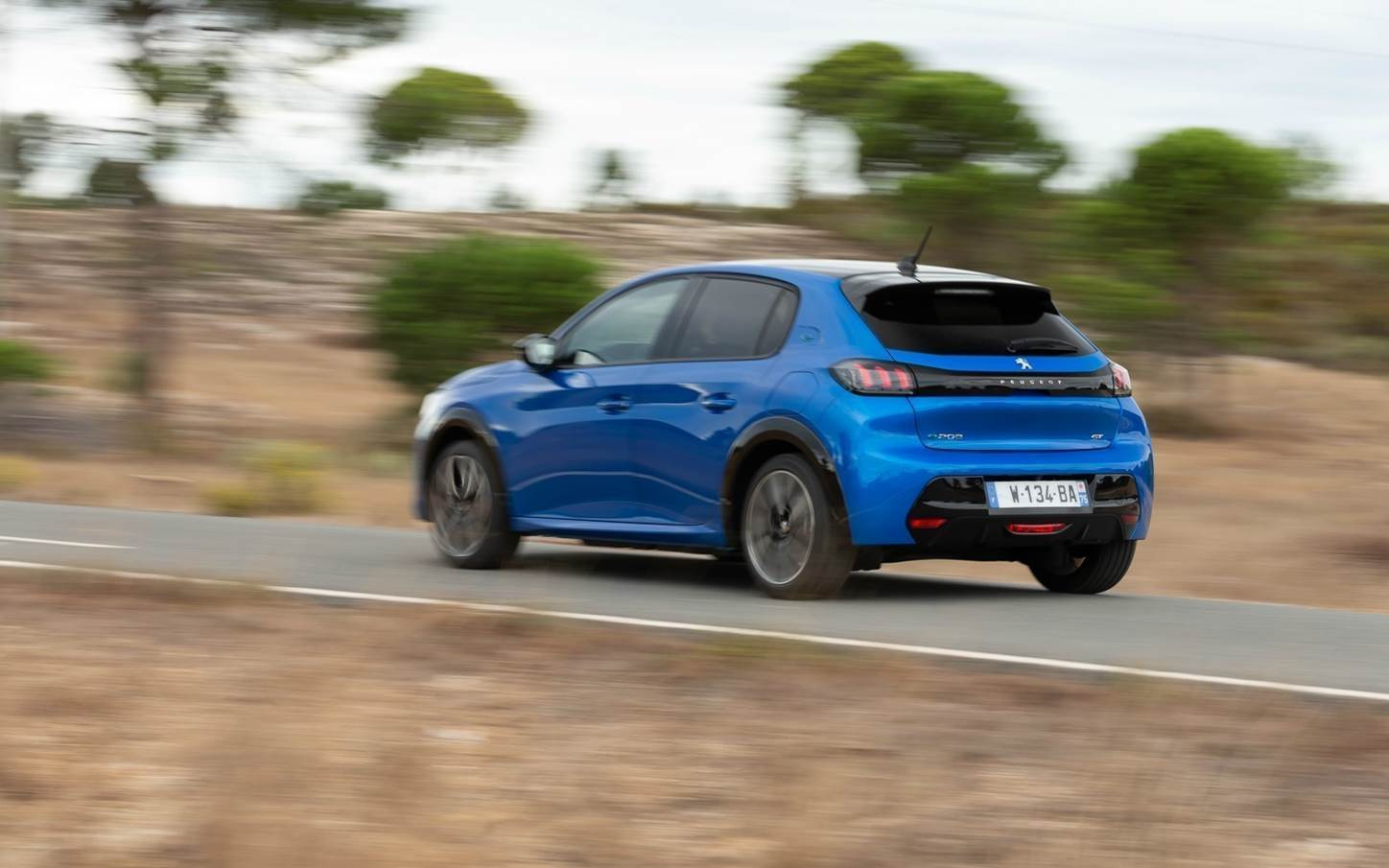
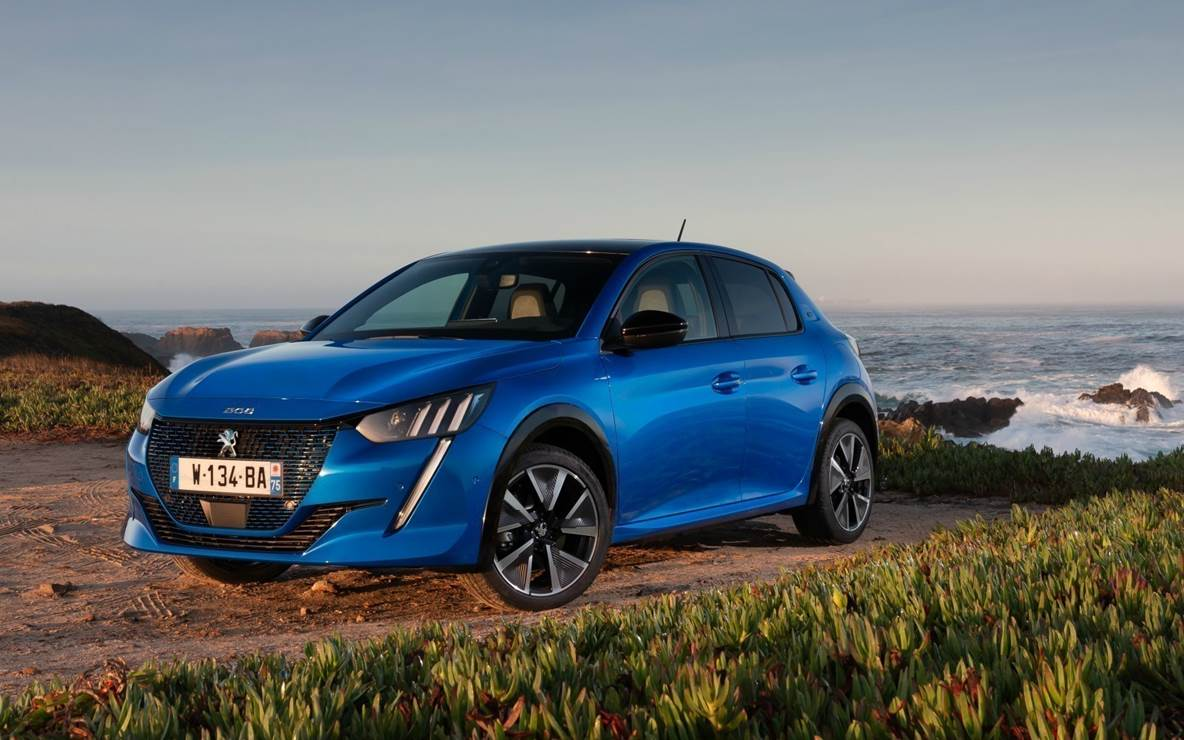
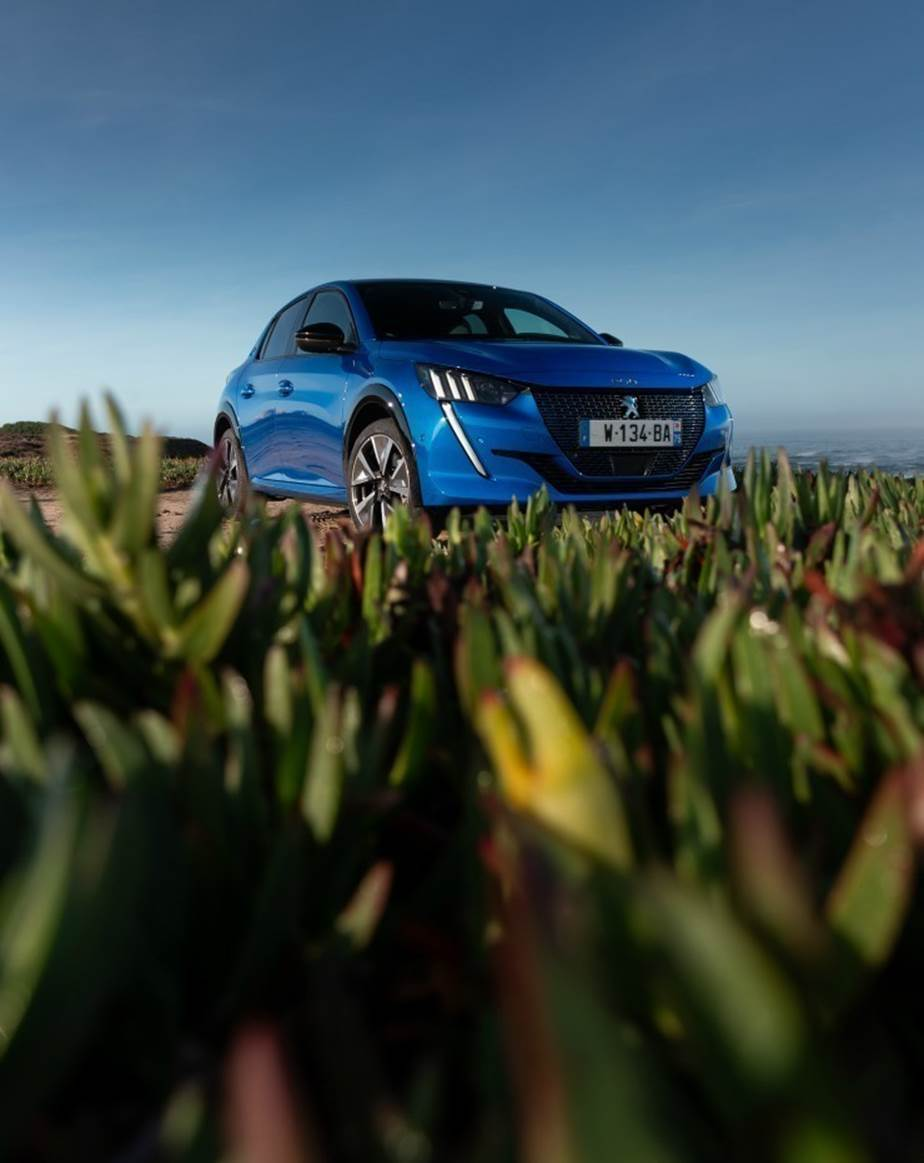
What is it? This is not a car for zero-emission virtue signallers. It looks like a regular 208. It is a regular 208. Performance and space, and even running costs as we’ll see, are pretty similar to the 208s that you pour inflammable liquid into. And being a 208 is a good thing. It’s a car we like, partly because it’s just so darned desirable. It’s pert on the outside. On the inside original and beautifully made. Decent to drive too. The vital stats of the electric version… 136bhp and 221lb ft from its electric motor. The battery is 50kWh, for 217 miles of WLTP range. It can accept 100kW DC charging, giving a best-case 0-80 per cent charge time of half an hour. Actually, pending the arrival of some sort of GTI – which Peugeot has hinted might itself be electric – the e-208 is the quickest cub of the litter, with a 0-62 time of 8.1 seconds. Engineering features make a good stab at efficiency. A heat pump runs the climate control. The brakes are fully blended so wasteful disc friction is used only when regeneration is used up. And the motor is the permanent-magnet kind, which is normally less wasteful of heat. But of course if it had used a special body, the drag factor might have been lower. To fit the battery in, it’s not the usual EV flat slab, but is broken up into several sections so’s to be able to fit into the spaces vacated by the absent fuel tank, catalysts and exhaust of the combustion 208s. Plus there’s a transverse section under the front seats. All of which means they fitted in 50kWh without having to lose out on foot room or boot space. The only change is a rear track a few millimetres wider. It helps that they decided to electrify this car when the platform itself was still in development. In contrast the Mini, where the electric version is an afterthought, has space for just 32.5kWh, and still needs a slight ride-height lift. So how are you going to spot this incognito electric Peugeot? The front lion badge has blue tint, there’s an ‘e’ on the rear pillar (designed to put you in mind of the GTI badge on the 205), the ‘grille’ is blanked off but doesn’t look like it, the alloys are different, and, duh, there’s no exhaust pipe.
DrivingWhat is it like on the road? It’s pretty lively. It’ll chuck out the sort of 0-60 sprint times of a warmish hatch of a decade or so ago. And with a whole lot less fuss: just mash the pedal and go. Situation normal for an EV, then. The motor and reduction gear are free of whine, too. You get to choose from three acceleration modes. Only Sport gives you the full 136bhp. Switching through Normal to Eco loses 27bhp and 30lb ft at each step. This makes it easier to drive smoothly at low speeds, and also Eco mode in particular will force you to be easier on the battery. You can also switch between two levels of accelerator-off regeneration. You might want to use the upper of those levels. The brakes are a full-blended system, which is good for range but the brake pedal feels slightly laggy and sometimes unprogressive. You can use full acceleration with remarkably little torque steer or traction loss. It’s an accurate, well-behaved chassis. It’s not the world’s most involving small car in bends, but it isn’t bad. The steering’s low-geared on-centre so holds a motorway line well, and quickens up as you add lock. Roll is low, and the responsive motor makes the whole experience feel nicely quick-witted. The ride is a bit brittle at times on the 17-inch rims. The lower trims get 16s and more supple tyres.
Layout, finish and spaceThere’s a fair bit of wow factor in here for a small car. The mid-to-upper specs get pretty lavish trim materials and contrast stitching, multi-colour ambient lighting, plus Peugeot’s eye-candy 3D display for the driver’s binnacle. That display’s compactness lets them mount it high. Yes, the e-208 like nearly all Pugs these days has a small steering wheel, and instruments you view above the wheel rim rather than through it. If you sit fairly upright (I do) it’s brilliant because the clocks are up near your sightline. If you recline further back, it isn’t because the rim covers the displays. The front seats are great. Life in the back isn’t so good: the door apertures are pretty small and there’s noticeably less legroom than in the VW Group superminis. The boot’s not a bad size, but there’s nowhere to store your charging cable. It just lives in a fabric holdall, with only Velcro to stop it slithering about. The touchscreen carries CarPlay and Android Auto in all models. Below that screen are some inaccessible and fiddly touch buttons to switch between screen functions – phone, music, nav, CarPlay. And switch you must, because the screen also carries climate controls. But hey, here’s a TG top tip: you don’t have to use those buttons. Touching the screen with three fingers it instantly takes you back to the main menu, with those same functions in nice big icons rather than the fiddly small buttons. That hack works on nearly all PSA cars by the way. And in front of those redundant buttons are some very nice aluminium keys for hazard lights, de-mist, door locking and so on. Two neat little lockers on the dash hide your phone, and you’ll find both USB and USB-C ports.
Running costs and reliabilityFirst, the range. In winter, we got 150 miles including some brisk motorway work before anxiety kicked in. Experience says in summer it’d be 180. As a proportion of WLTP range, that’s about what most e-cars do. Charging is supposed to be 100kW on DC, but on our car (its firmware was said to need updating), we couldn’t get faster than 22kW off a 50kW post. And 100kW posts are few and far between at the moment. That’ll improve over time. On AC, it’ll accept the usual 7kW, via the supplied type 2 cable. The battery has an 8 year 100,000 mile warranty. We’d stick with Allure trim. It doesn’t have the ride-harming big wheels, but it does have a decent spec otherwise. Though the only colour for which they don’t charge extra is AA van yellow. Now, costs. Because you can get a near-identical car with an engine, it’s easy to compare like for like. The similar petrol is the 1.2-litre with autobox, listing at £5,000 less. That’s about £80 a month cheaper on a four-year PCP at 10k miles a year. But about £80 a month more expensive to fuel, if you recharge the electric one at home. If it’s a company car the electric is a bit of a no-brainer because you pay no BIK this year. Then there’s the ability to enter London’s C-zone for nothing, and free parking and even free charging in many places.
VerdictFinal thoughts and pick of the range Looks like a 208, *is* a 208. This electric version is a strong all-rounder In the old days you chose a car then decided what sort of engine and transmission to get. With the 208, in addition to diesel or petrol, manual or auto, there’s also electric. So the e-208 can appeal both to people who primarily want a 208 then opt for that powertrain. And to people who primarily want an electric car and then opt for an e-208. The 208 is a very sweet supermini but it has flaws. Not that roomy, not quite the best to drive. And the e-208 has those same flaws. But it has all the 208’s many attractions too. The electric Mini and Honda e are great to drive and desirable, but don’t go far. The Renault Zoe goes further. But the e-208’s combination of range, easy personality, value and surprising desirability make it a strong contender all the same.
Max Speed (km/h)
150
0-100 km/h (sec)
8.1
Luggage area (lt)
311
Torque (Νm) : 300
Emissions CO2 (g/km) : 0
Prices
| Price | with subsidy | indicative leasing price |
|---|---|---|
| from 29.900 euro (from 32.700 for Active Plus) | from 25.077 euro (from 27.426 for Active Plus) – 1,000 for withdrawal | from 207 euro/month + VAT |
Gallery