VW ID4
Review
The new VW ID.4 is the second car, after the ID.3 hatchback, to be based on all-new underpinnings designed specifically for electric power and comes as part of an €11bn (£9.5bn) investment in electric vehicles up to 2023. The ID.4s available at launch are the models with a long-range battery and high specification but multiple versions of the crossover SUV will roll out in due course, including one with a smaller battery (making it more affordable), a version with a coupé-style rear end and the recently announced hot ID.4 GTX, which boasts 299PS. For VW to hit its ambitious target of producing 1.5 million electric cars per year by 2025, the success of the ID.4 at luring family car buyers away from their petrol and diesel motors is absolutely critical. No pressure, then.
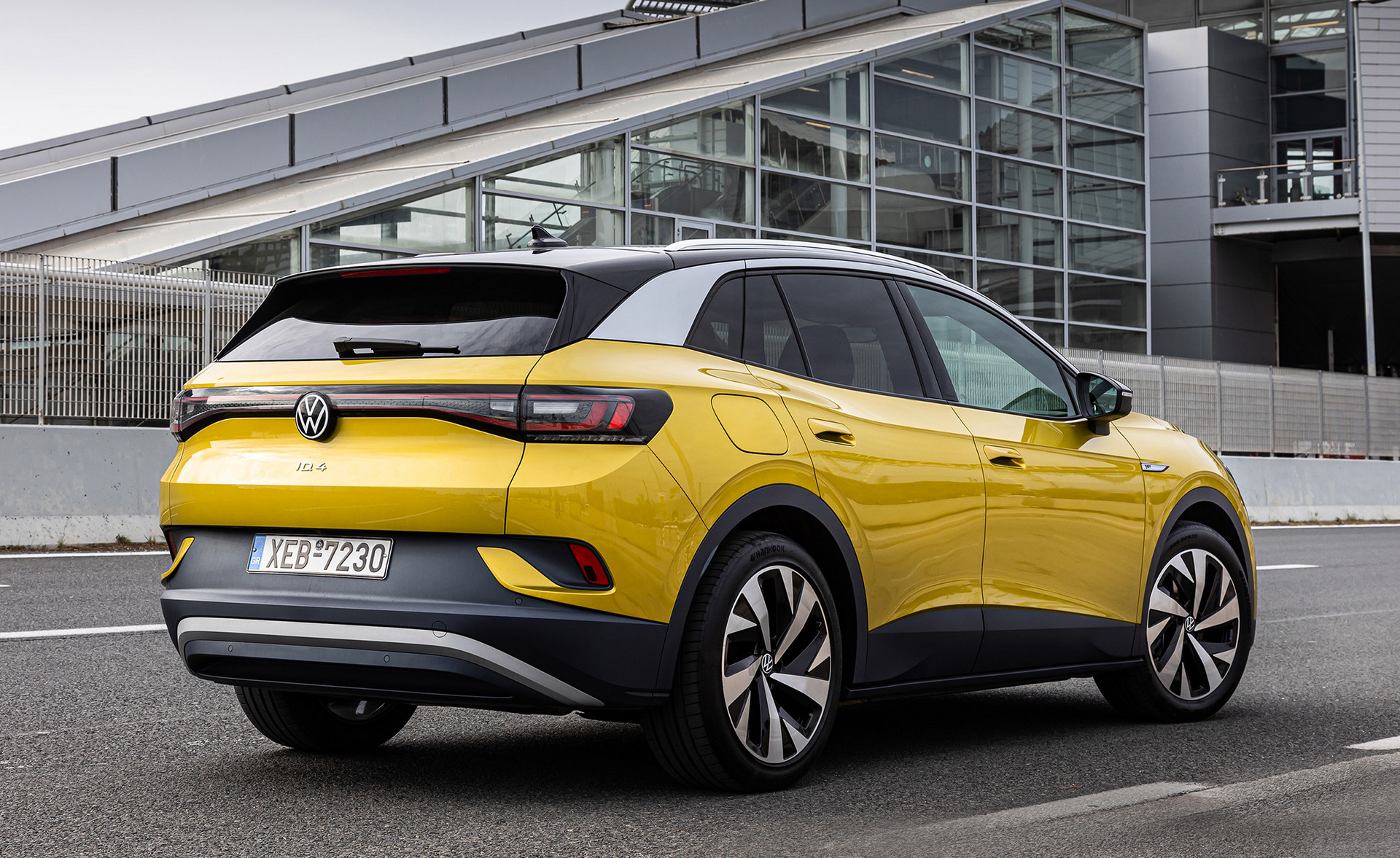
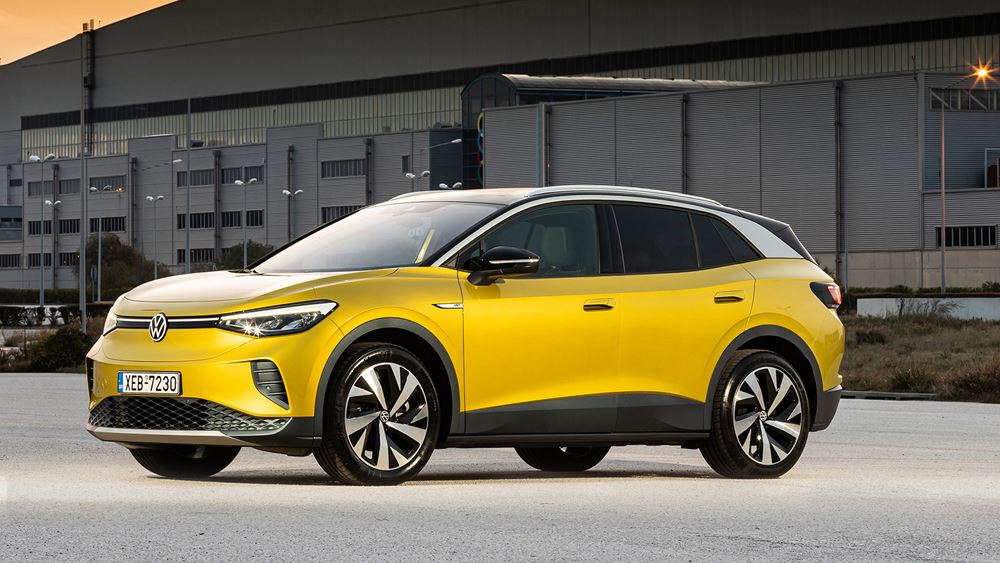
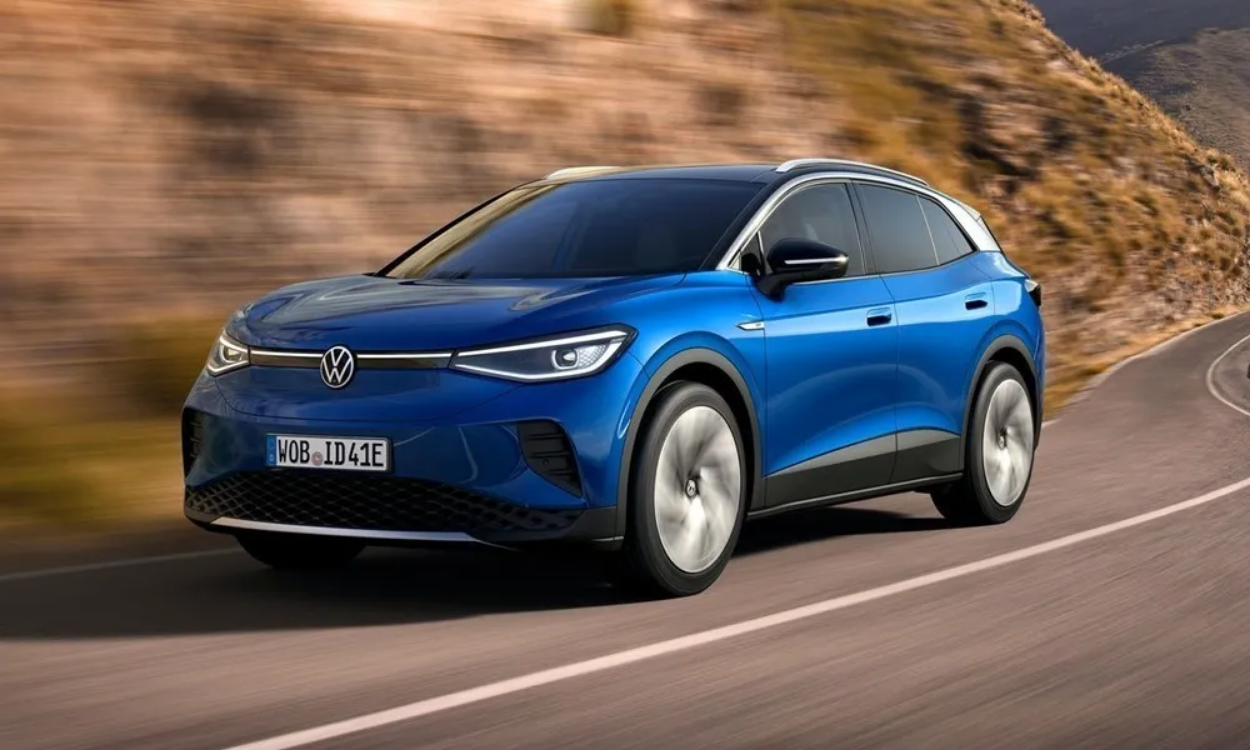
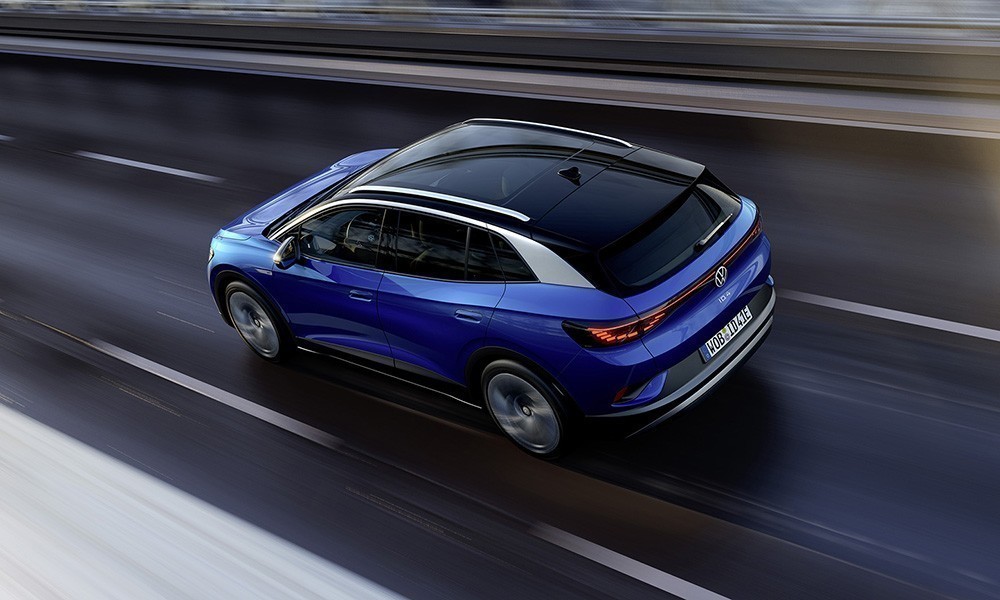
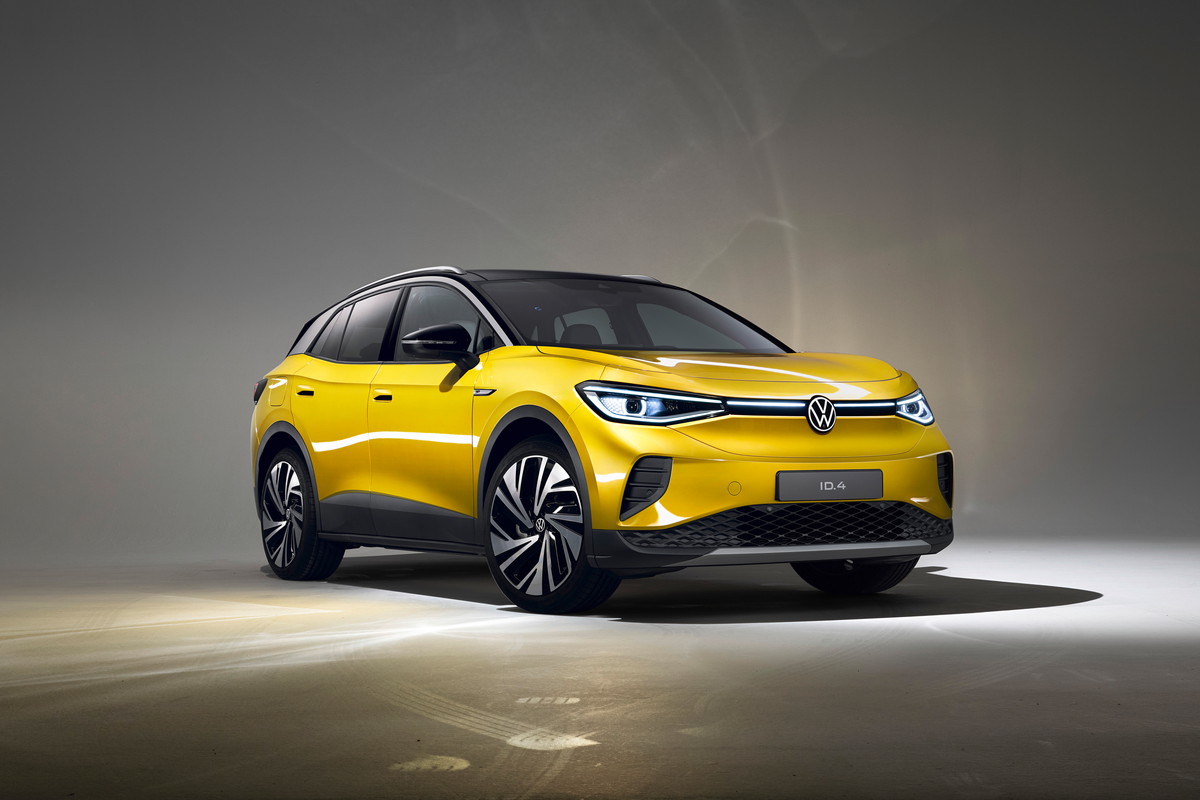
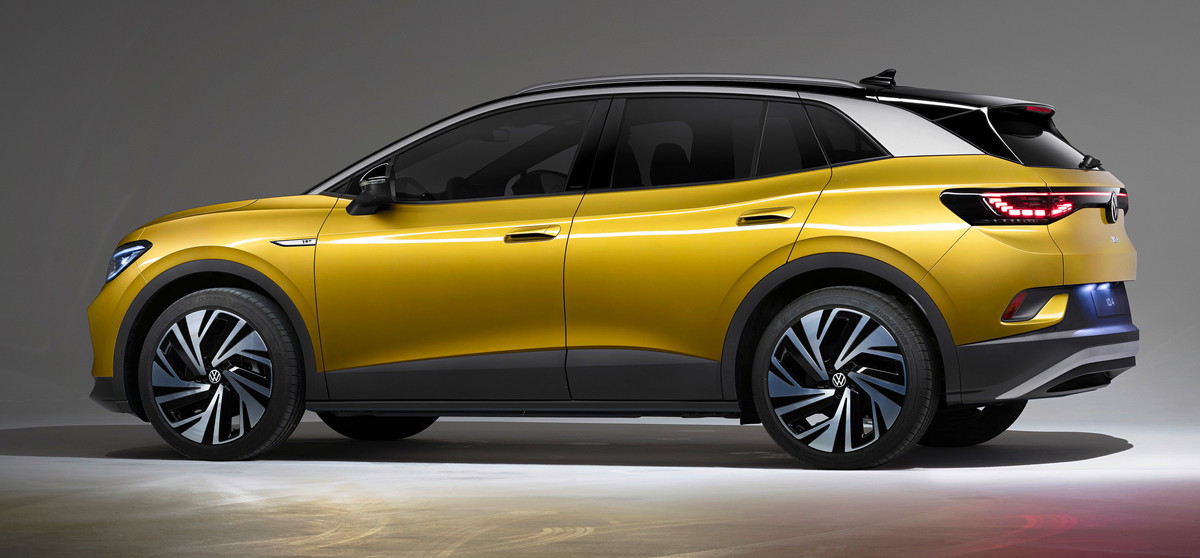
It’s quirky and futuristic without being too far out, and a few of the details are really quite eye-catching – the large LED headlights and rear light clusters, connected with horizontal LED strips, are familiar but modern. And with larger wheels fitted (up to 21in) they look impressively oversized. In some ways it’s underwhelmingly generic in appearance, which could actually help sales – often the best-selling cars are disappointingly homogenous. But for me the ID.4 is oddly proportioned, with a front end that looks too wide and a strangely bulbous rear end.
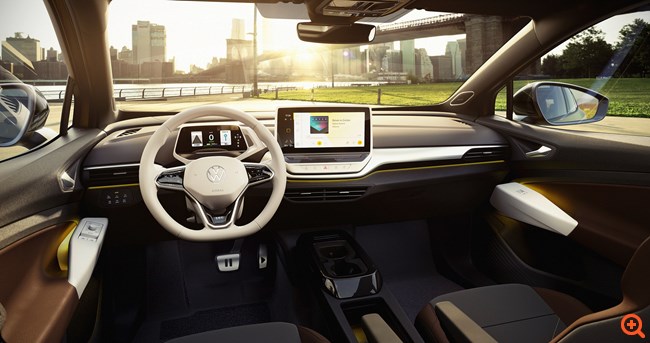
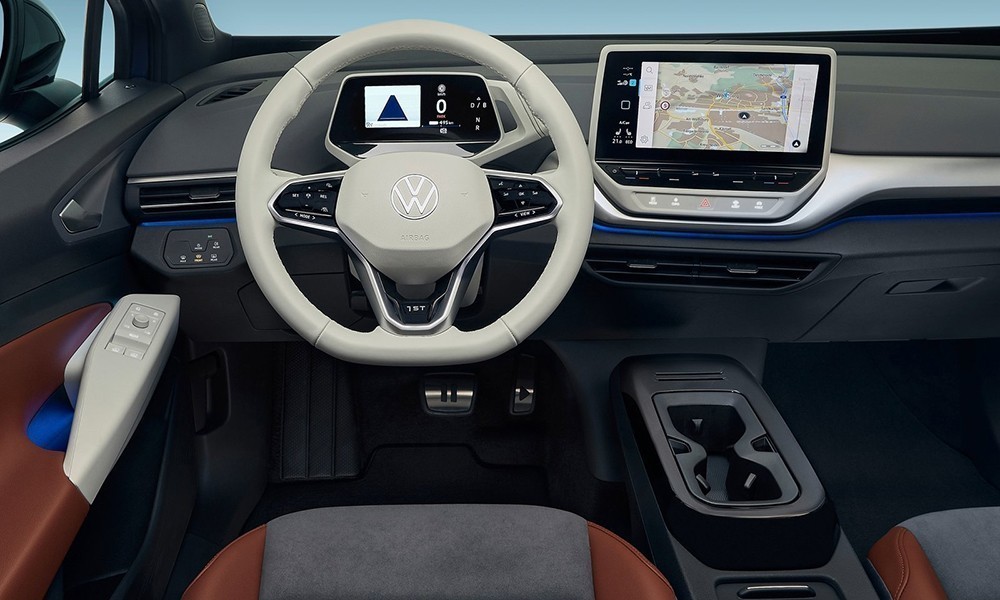
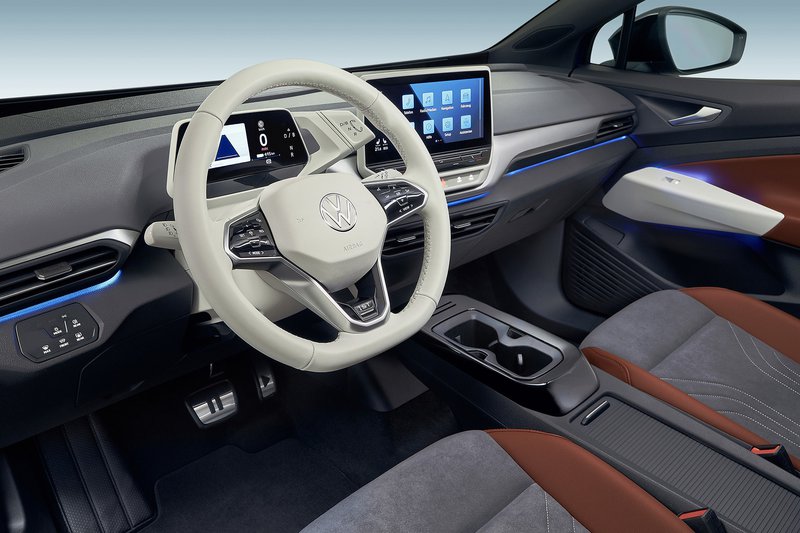
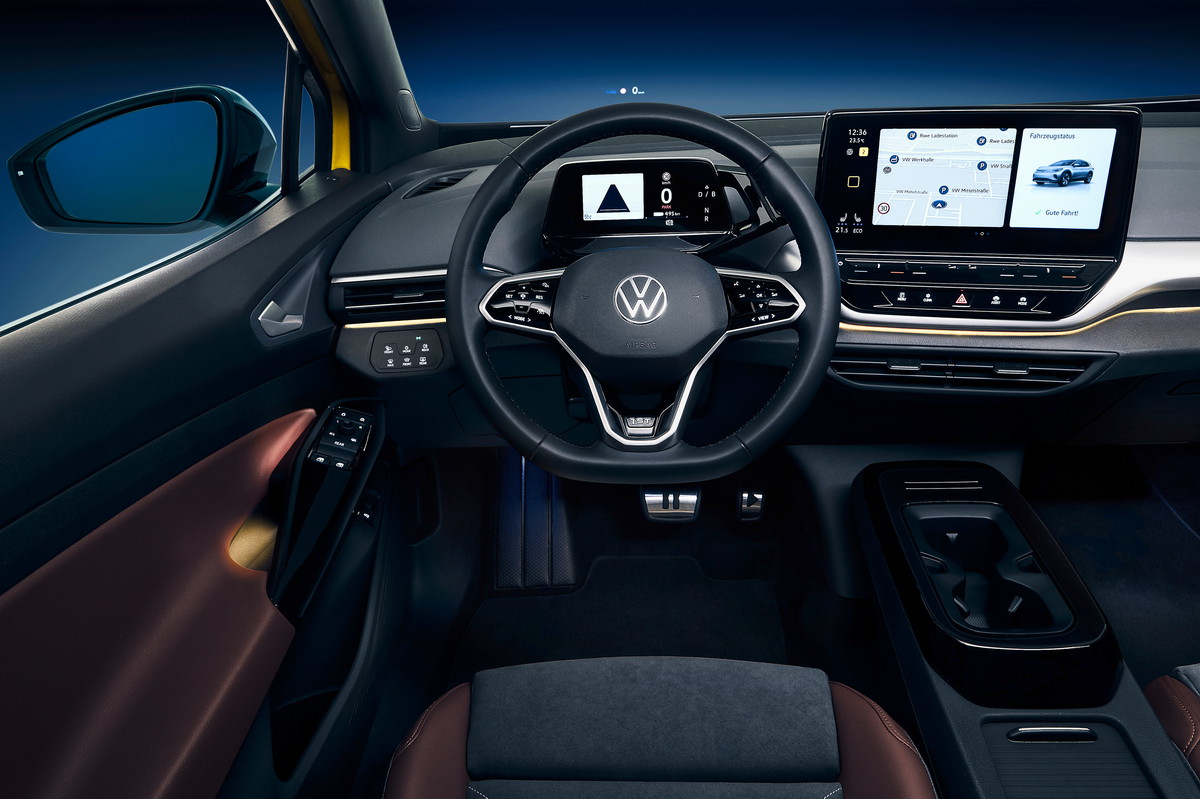
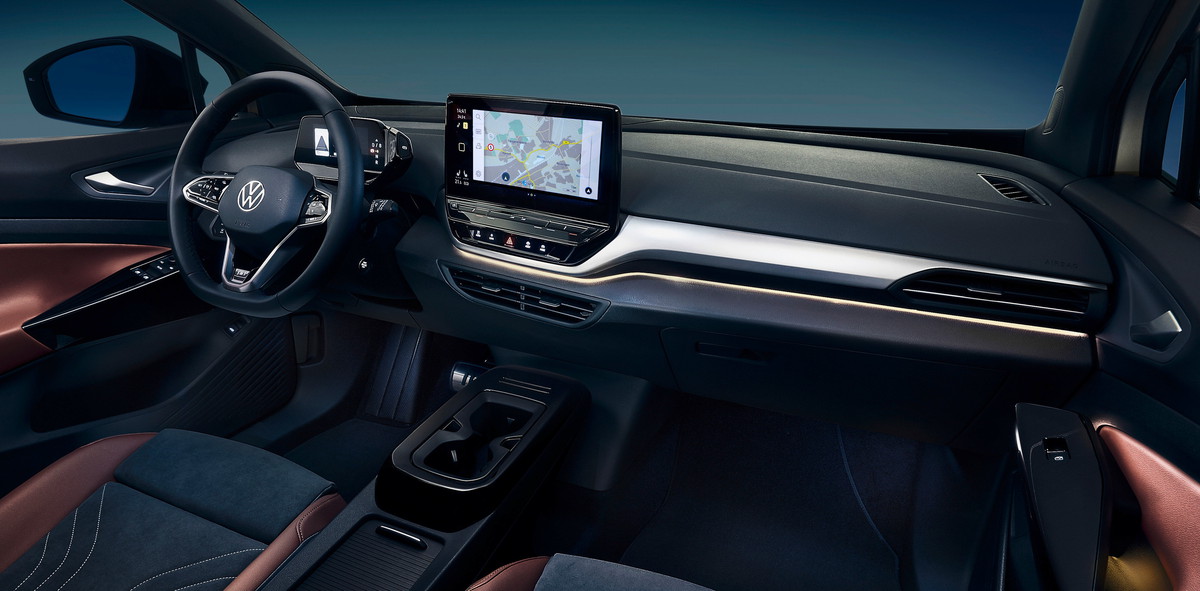
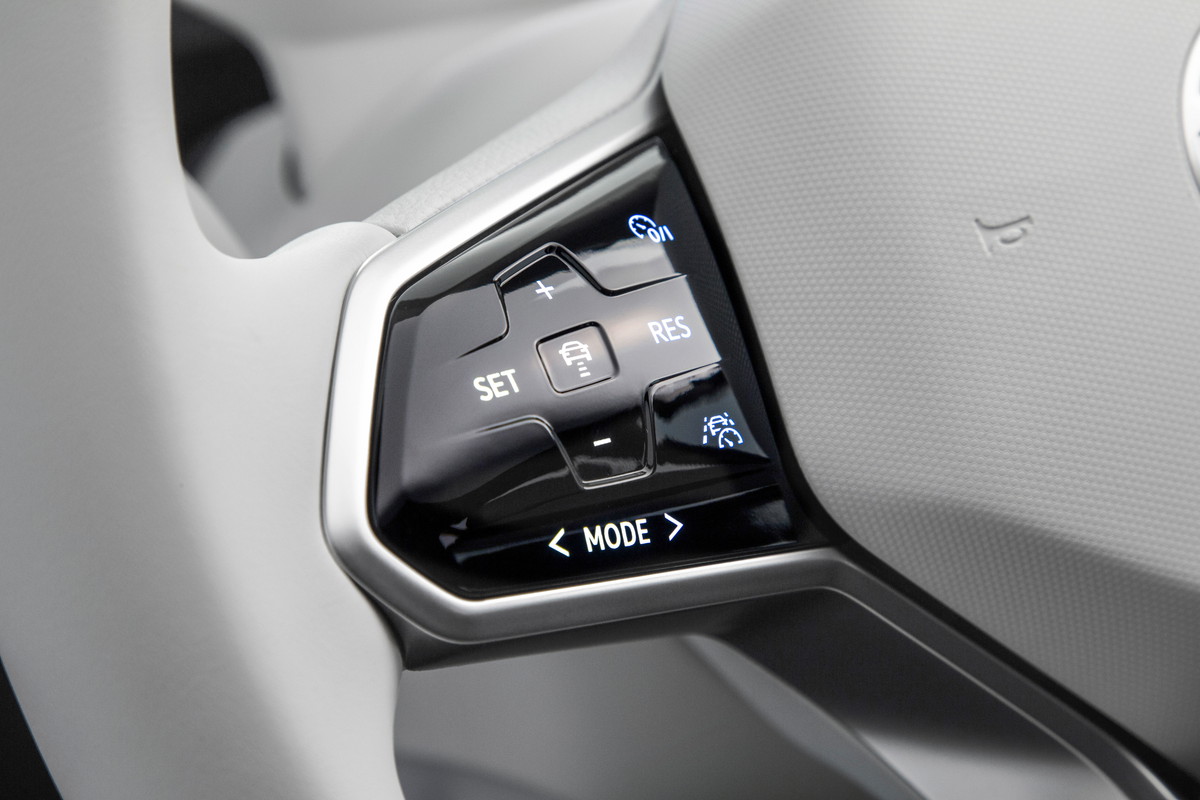
The inside is very much like that of the ID.3, and it’s anything but generic. There will always be those who turn their noses up at the pared-back design and stripping away of physical switches and buttons, but its “Open Space” layout is undeniably calming and to my eye, rather appealing. Our 1st Edition test car came with two-tone grey microfleece and tan leather trim, while the leather steering wheel, window controls and instrument panel surrounds were in white, a color that became synonymous with Apple products and therefore lends the ID.4 interior a high-tech feel, especially in combination with the glossy piano black steering wheel buttons. The front seats are nice and high, offering a commanding view of the road ahead, and they support the back well. The seat base could be a little longer for taller drivers and additional side support wouldn’t go amiss but the general driving position is good. I enjoy an armrest fixed to the seat, too, which the ID.4 includes. As with the ID.3, the drive selector is mounted on a stalk on the steering column, which works just fine once you know where it is (it’s slightly obscured by the steering wheel), and as there’s no Start – instead the car turns on when you place your bum on the seat, due to pressure sensors within. That makes getting in and setting off very quick and easy.
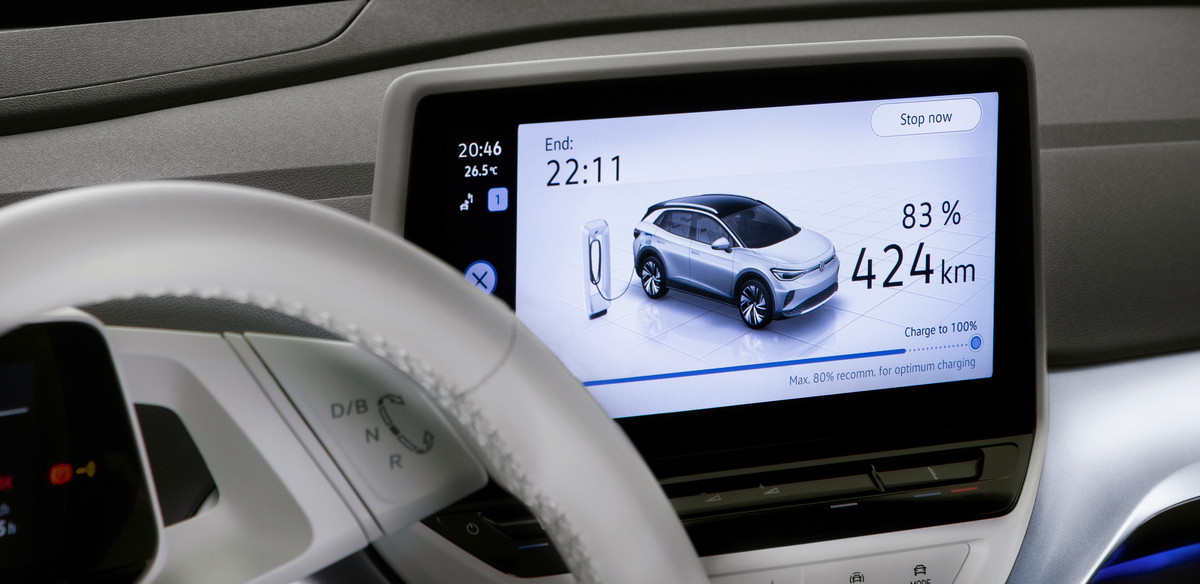
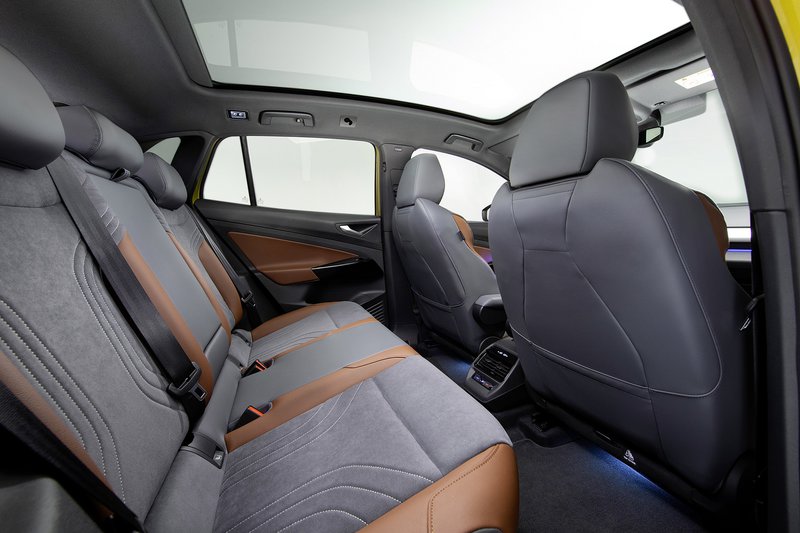
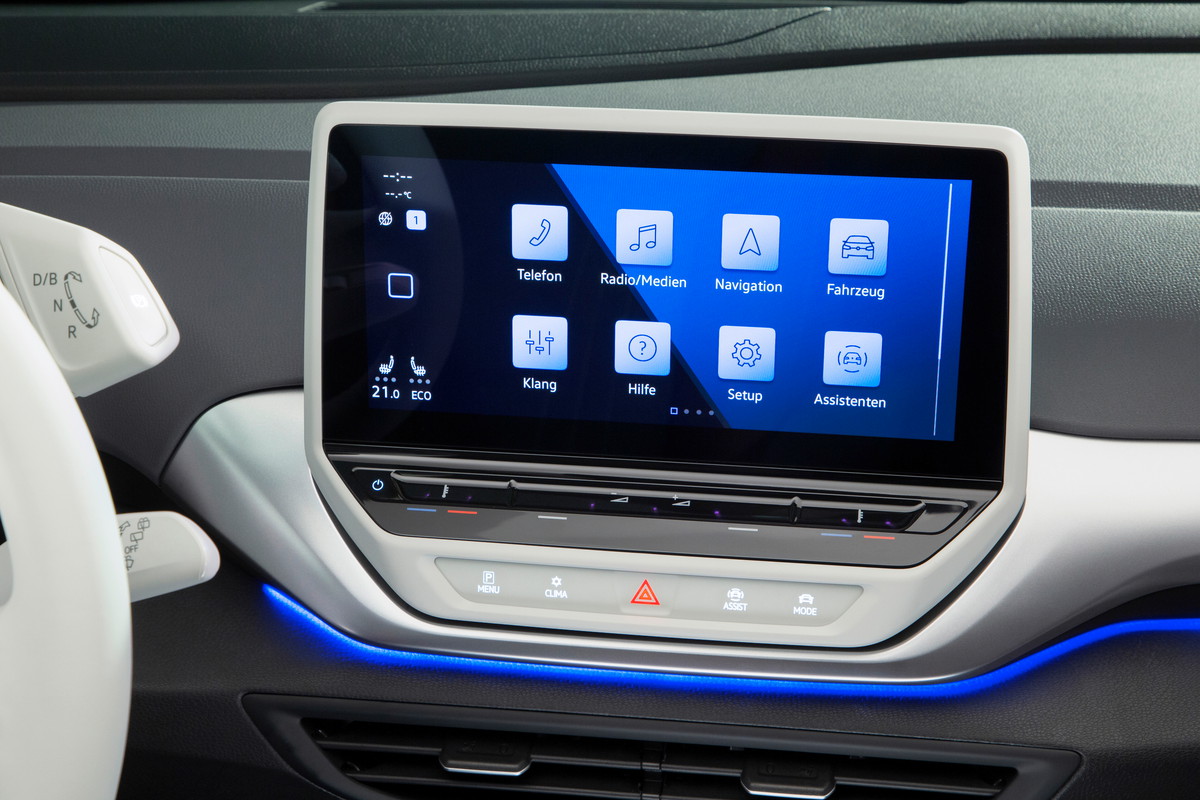
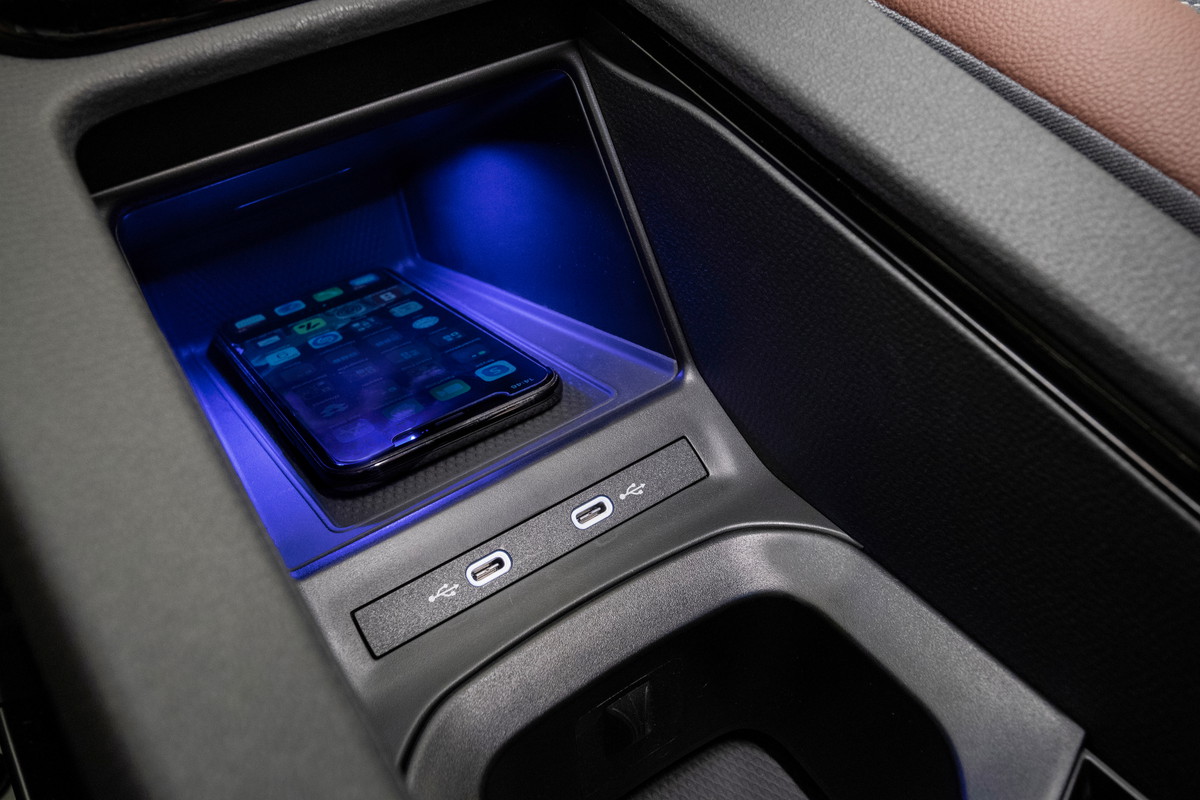
The touchscreen isn’t massive compared with some other electric cars, but you’ll become very familiar with it, as this is where most of the vehicle controls are viewed. There are a few quick access buttons below, though for the likes of climate control, and temperature is adjusted via sliders under the screen. There’s also a slider for the stereo volume and there isn’t a huge amount of love for the system among motoring journalists but come on, grandads, it’s not that hard. Besides, volume can also be controlled via the steering wheel controls, as can radio station, music track and cruise control. There’s also a button for the voice assistant, which will adjust temperature, change radio stations or turn on heated seats without needing to take your eyes off the road. You don’t even need to press that, you just need to wake it up, Alexa-style, by saying, “Hello, I.D.”. Forget giant heads or “Nintendo thumb”, humans of the future will evolve to have no hands at all, I reckon. By which time driverless cars might have arrived. Maybe. Interior storage is decent — the center console isn’t short of cupholders — and thanks to the front and rear axles pushed to the very front and rear ends, room in the rear is generous, with a flat floor across the width of the cabin (due to the flat underfloor battery) meaning central passengers aren’t short of space for their feet, though the bench is quite low, meaning knees can be quite high in relation to hips. That does improve headroom, though.
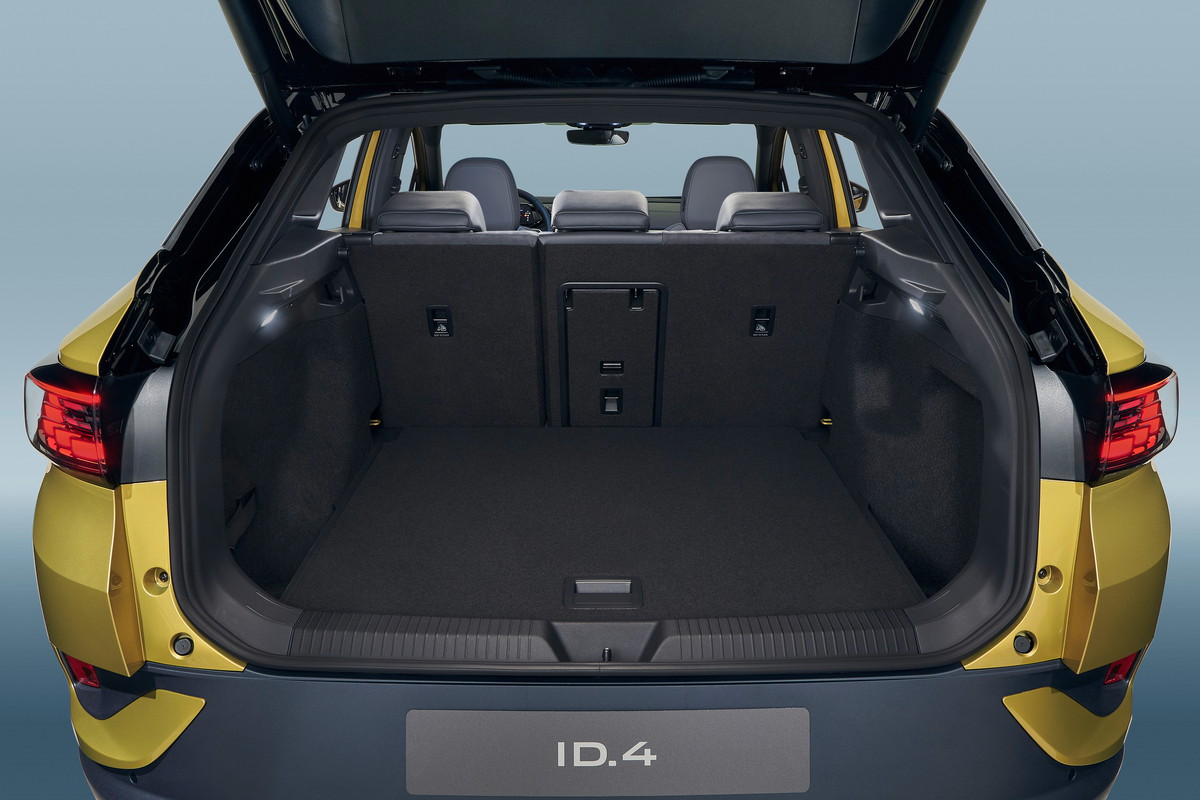
There’s no luggage compartment under the bonnet for some reason (other brands have managed it, VW) but the boot is pretty generous of 543 liters with the rear seats in place. That increases to 1,575 litres with them folded. The VW ID.4 is no sports car, of course, but consider it’s a big lump weighing more than two tons, it’s remarkably enjoyable to drive. We wouldn’t say it gets the heart pounding by any means but as a daily driver it’s quiet, comfortable, stable and easy to pilot. The 1st Edition models come with a 77kWh battery, which is a flat pack beneath the floor, between the front and rear wheels. That means the bulk of the weight is very low down, which helps with stability, and VW has engineered the suspension to be both pliant over bumps and not too roll through the turns; in fact the ID.4 has a firmer ride than some of its competitors. The steering is light, though, and the turning circle is superb, which makes town and city driving extremely easy.
The 77kWh battery is good for 520 Kms officially. If you spend all your time on the motorway, though, expect more frequent recharges. Going from empty to 80% at 125kW is possible in a claimed 38 minutes. More likely you’ll be charging at home with an 11kW wall box, which will charge the car fully in eight hours, meaning if you plug in overnight, you’ll have a full battery every morning, even if you’ve emptied the pack during the day. The ID4 models come with three electric motors of 149PS, 170PS and 204PS, mounted to the rear axle, enabling a 0-100 kms/h sprint in 10.9 seconds, 9.0seconds and 8.5 seconds, respectively, and the maximum speed is 160 kph. There will be a hot version, though – the ID.4 GTX is sharing the same 77kwh battery but an uprated four-wheel drive powertrain with 299PS, allowing 0-100 kms/h in 6.2 seconds. The maximum speed is 180 kph. Stopping power is excellent, aided by regenerative braking. The ID.4 comes with a 160.000 Kms warranty for the battery pack.)
Gallery