BMW i3
Review
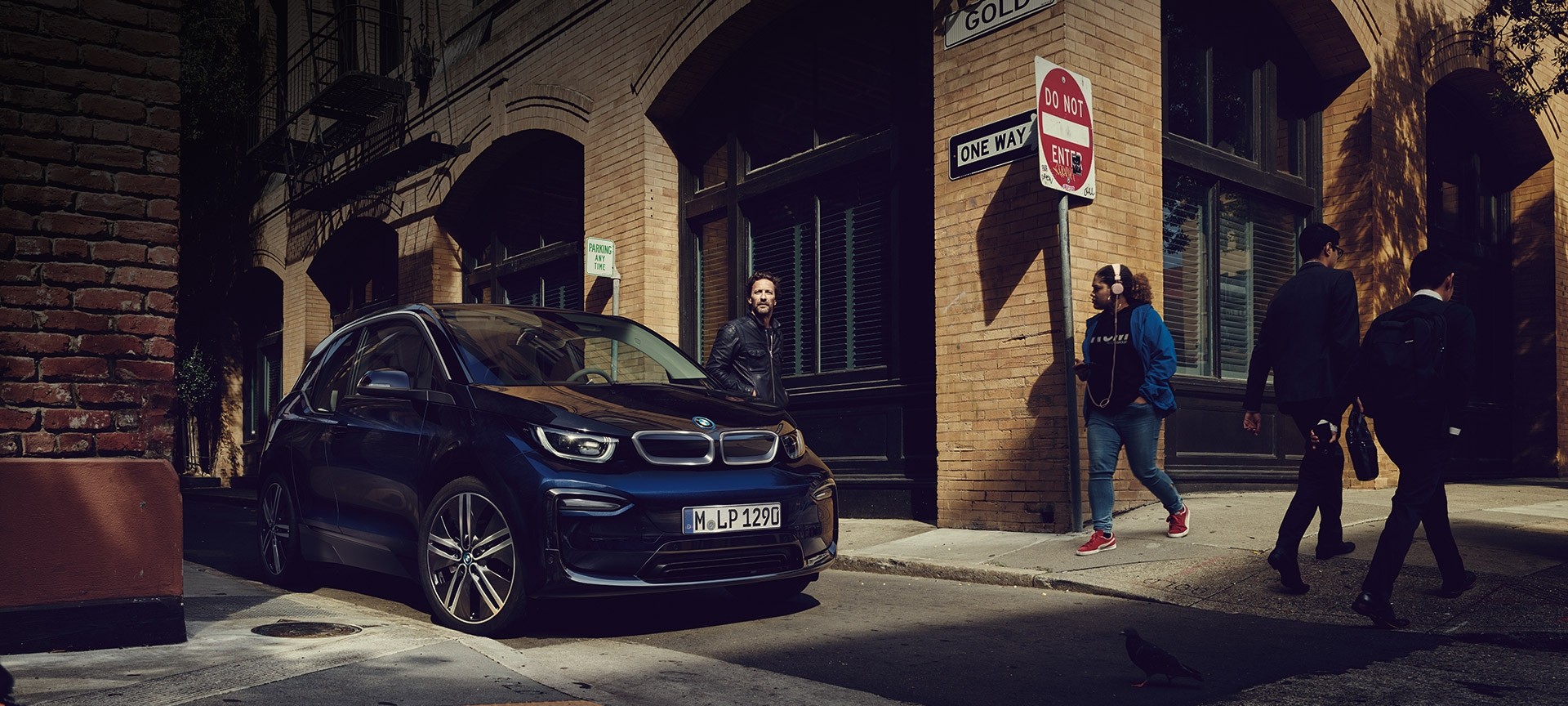
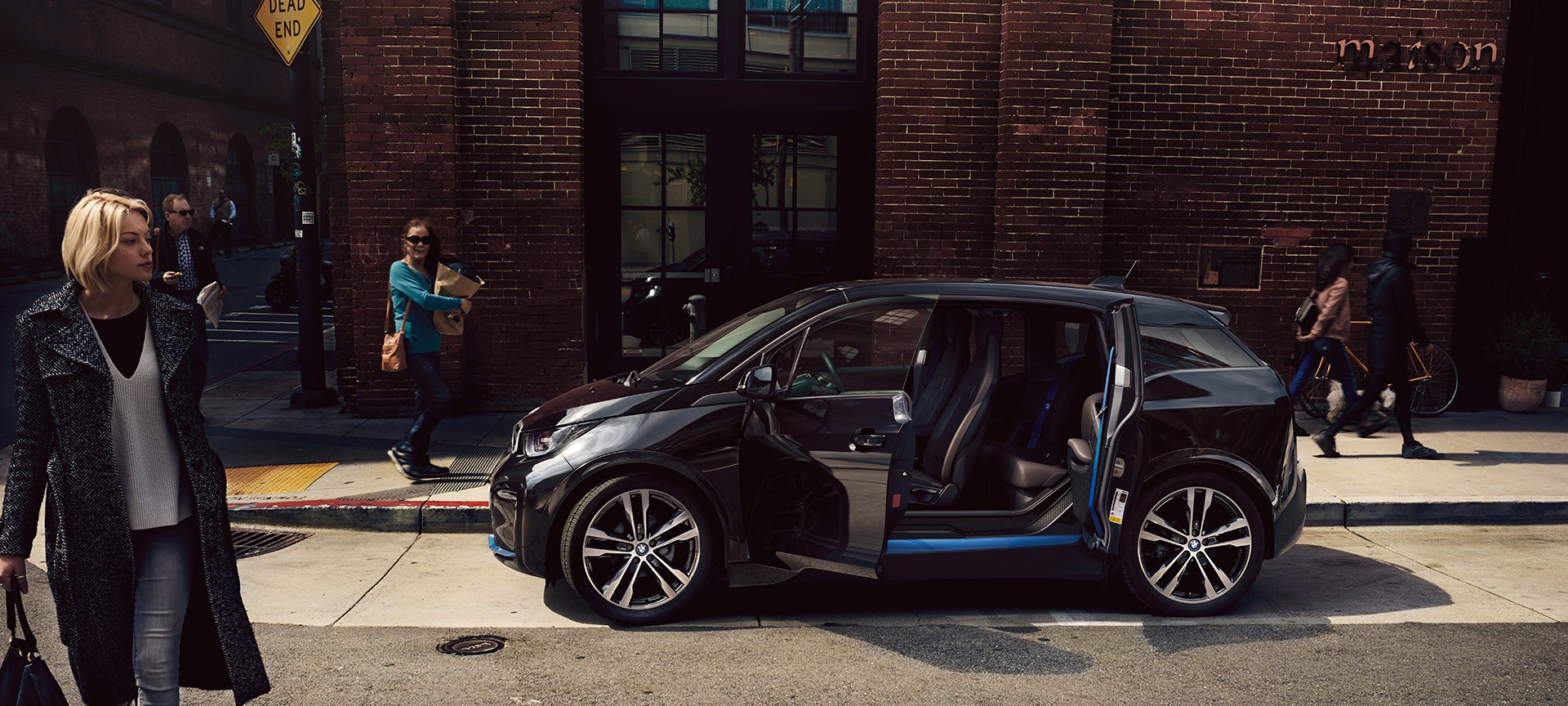
BMW’s i3 is one of those cars that comes along every now and again and gives some assurance that the giants in the automotive industry are still capable of making step changes in the development of the automobile. From the unusual way the drivetrain is paired to the cabin and the liberal use of carbon fibre and aluminium construction, there is a lot about this car that is largely without precedent across the industry, certainly at its price point. BMW have invested considerably in R&D of new materials with a view to making lightweight construction commercially viable and this is a clear signal of their intent to take the electric vehicle market seriously - there is a need to offset the additional weight of batteries to mitigate the impediment to range, at least until that technology improves as well.
First and foremost, the i3 is fun to drive - it is clear that this was one of the non-negotiables in the brief from a car company whose slogan is ‘The Ultimate Driving Machine’. In some ways, it would have been hard to miss the mark here, as those with experience of driving electric cars will attest that the instant torque, silence and smoothness from the electric drivetrain all add up to a far superior feel for anyone used to driving cars with engines. BMW have matched this with a sharp and responsive steering and very assured suspension which keeps body roll to a minimum in spite of the tall profile of the car, making for a highly engaging drive. Some may consider the ride a little firm, a trade off that comes as a result of the need to keep body roll in check and to maintain decent handling characteristics.
Packaging is very accomplished - the batteries and motor are contained below a completely flat floor - chassis and cabin are effectively two separate units bolted together. BMW have maximised the feeling of space in the airy cabin through the clever use of ultra thin seating, resulting in excellent head and leg room. The boot is a little on the small side, however.
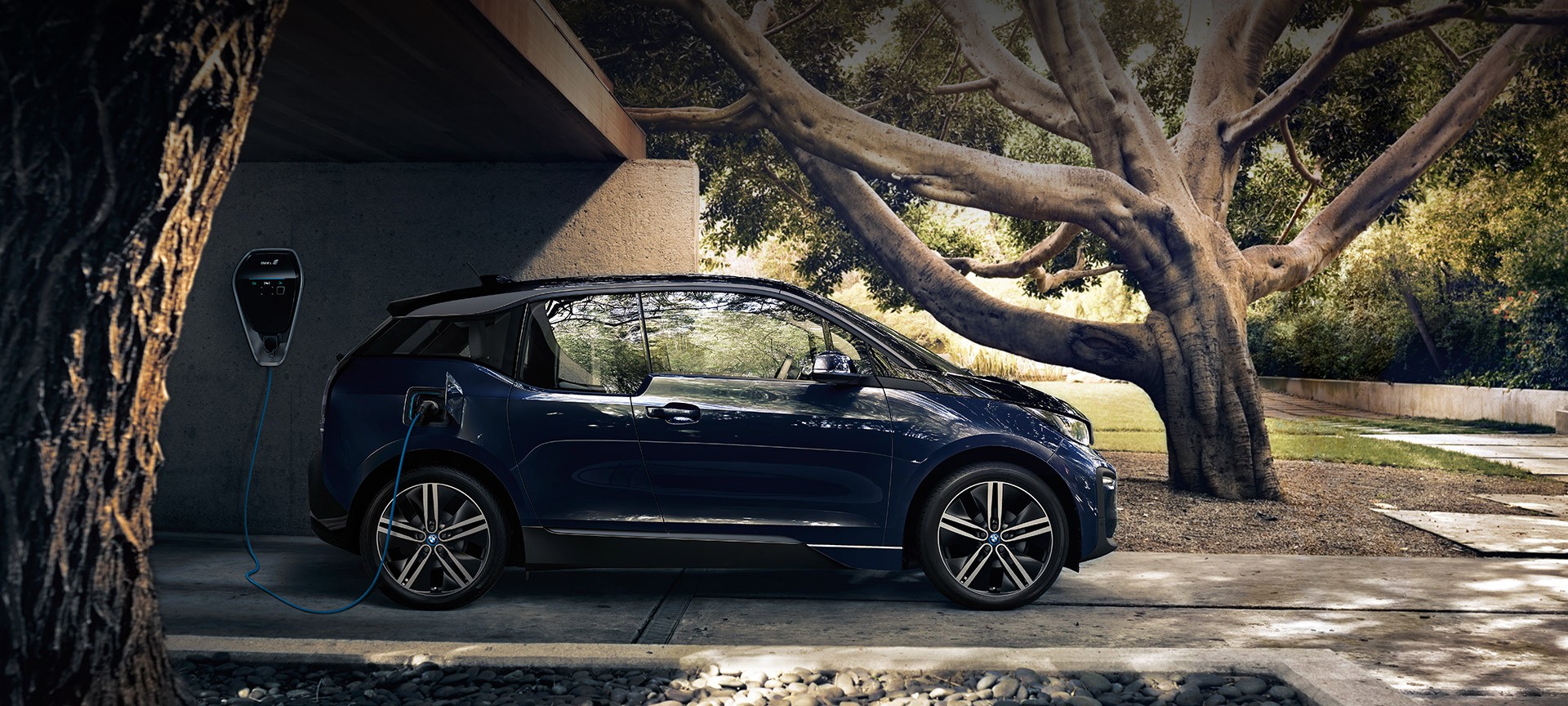
Range is about 130 miles in real world driving (BMW claim 190 miles) from the recently upgraded 94Ah battery. There is also the option to add a range extender - a small 2 cylinder petrol engine which charges the battery while running - it never drives the wheels directly, so power is always delivered by the car’s electric motor.
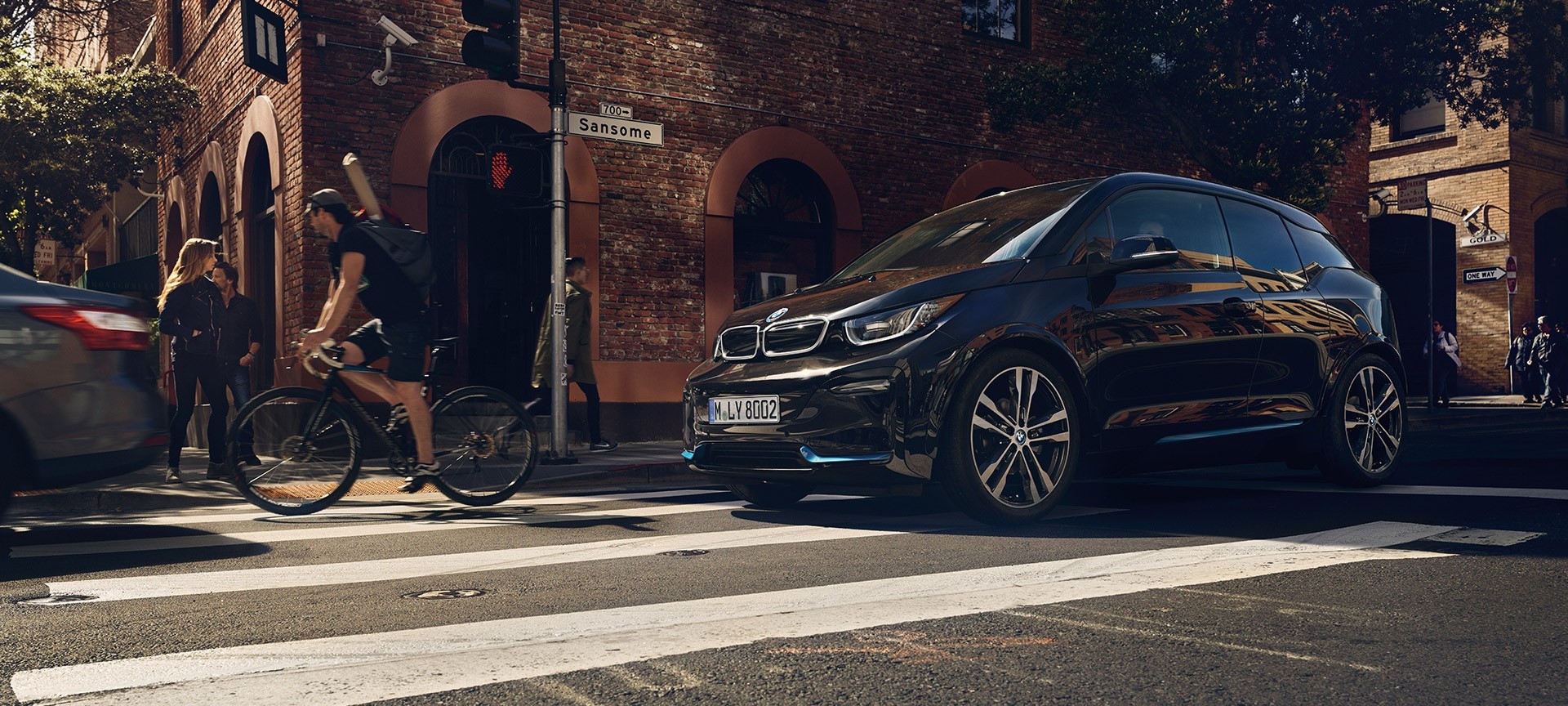
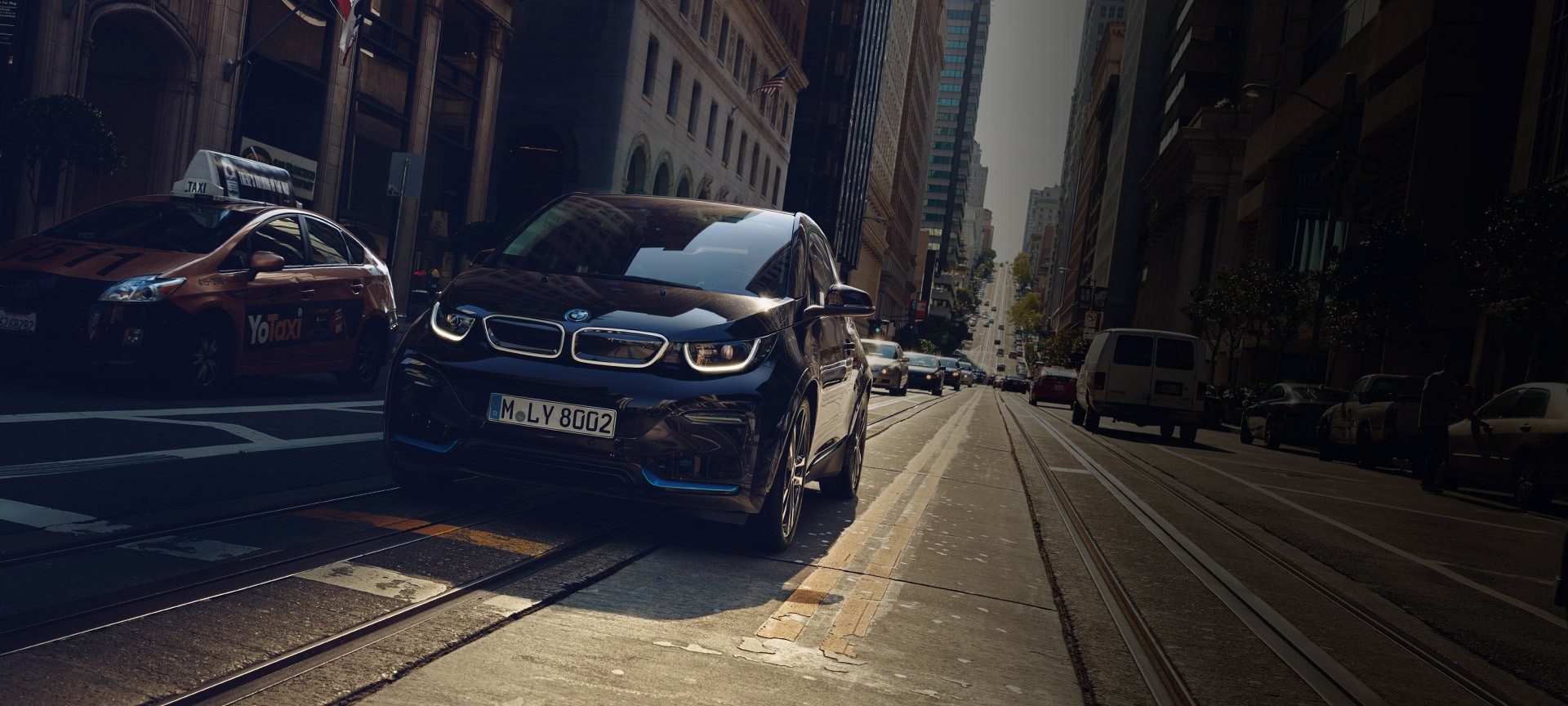
The rear wheels are driven by a 168bhp electric motor, which makes the little i3 a brilliant nippy city car, ideal for diving in to tight gaps in traffic and gliding away swiftly from traffic lights. Top speed is a relatively clipped 93mph, but still ample for motorway cruising.
The i3 has three driving modes that will be familiar to those who know other cars in the BMW family. ‘Comfort’ is the maximum performance mode, while ‘Eco Pro’ limits the car to 70mph (this can be overridden by flooring the accelerator), and ‘Eco Pro+’ limits power further still.
There are some nice touches to this car. BMW have used recycled plant material on the dash where you might expect to find soft touch plastics in more conventional cars. The result is a premium feel and a nod to the environmental credentials that BMW are looking to promote. Controls are precise and intuitive, particularly the steering column mounted gear selector, which adds to the impression that this car is a bit different, in a good way.
Gallery